Advantages and Disadvantages of Mobile Phones for Students
Published: 14 Oct 2025
Mobile phones have transformed the way students learn, connect, and live. From finding answers in seconds to joining online classes, smartphones make education faster and smarter. But with all these benefits come distractions, addiction, and privacy risks. In this article, we’ll uncover the real advantages and disadvantages of mobile phones for students — so you can see how this tiny device can both help and harm your studies.
Mobile Phones as a Source of Instant Knowledge and Information for Students
In today’s fast-moving world, knowledge is just one tap away. Mobile phones have completely changed how students find, understand, and use information. What once required hours in a library can now be done in minutes through a smartphone. Whether it’s a science topic, a history lesson, or a math solution, students can instantly search and get answers from reliable online sources.
One of the biggest advantages of mobile phones is their ability to give students quick access to educational websites. Platforms like Khan Academy, Coursera, and Google Scholar enable students to access verified content and academic research directly from their devices. Instead of waiting for teachers or depending only on books, students can now take control of their learning. This not only saves time but also builds confidence and curiosity.
Mobile phones are also a great way to watch educational videos and tutorials. Many teachers and experts upload helpful content on YouTube and other learning apps. If a student doesn’t understand a topic in class, they can replay a video or watch a different explanation online until the concept becomes clear. This flexibility makes learning more personalized and stress-free.
Another powerful feature of smartphones in education is the use of mobile learning apps. These apps turn studying into an engaging experience with quizzes, visuals, and step-by-step lessons. For example, language learners can use Duolingo, and science lovers can explore PhET simulations. This form of digital learning keeps students motivated because they can learn anytime and anywhere — on the bus, before bed, or during breaks.
Mobile phones also help students stay updated with the latest educational news and innovations. Through news apps and online journals, they can read about new scientific discoveries, global events, and modern learning techniques. This exposure builds general knowledge and keeps students aware of the world around them, something that traditional textbooks cannot do alone.
Instant access to online dictionaries and translation tools is another big benefit. When students come across a difficult word or a foreign term, they can understand it immediately. This improves vocabulary and helps with comprehension, especially for subjects taught in different languages.
In addition, smartphones make group learning easier. When students discuss topics in group chats or online study forums, they can instantly share links, PDFs, and references. This encourages teamwork and helps everyone learn faster. Digital collaboration is a major part of modern education, and mobile phones make it simple and effective.
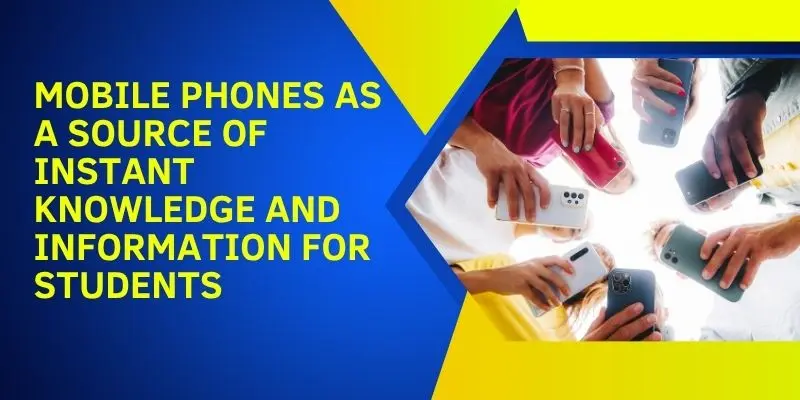
Even teachers are using smartphones to share materials, give assignments, or recommend useful apps. Through platforms like Google Classroom or Edmodo, teachers can connect with students beyond school hours. This means learning doesn’t stop when the bell rings — it continues online, powered by mobile technology.
However, the key is using smartphones wisely. Not all information online is accurate. Students should learn how to recognize credible websites and fact-check what they read. Critical thinking is important to separate real knowledge from misinformation. With proper guidance, smartphones can become one of the most powerful tools for education.
In short, mobile phones are not just communication gadgets — they’re mini classrooms in your hand. They help students explore the world, solve doubts instantly, and stay connected with the global flow of knowledge. When used responsibly, smartphones turn every moment into a chance to learn something new.
Educational Benefits of Mobile Learning Apps and Digital Tools
Smartphones have completely changed the way students learn and study. Today, education is no longer limited to classrooms or heavy textbooks — everything fits right into a mobile phone. With just a few clicks, students can download mobile learning apps and digital tools that make learning more fun, engaging, and flexible. These apps have made education more accessible for everyone, no matter where they live or study. Just like comparing Free vs. Paid AI Tools for Startups, students also choose between free and premium learning apps to get the best features that match their study needs and budgets.
One of the biggest advantages of mobile learning apps is convenience. Students can learn anytime and anywhere. Whether they are sitting at home, traveling, or waiting for a friend, they can open an app and start studying. This flexibility makes smartphones one of the most powerful tools for digital education. Apps like Khan Academy, Quizlet, Duolingo, and Coursera have completely changed how students learn, offering lessons for every subject — from science and mathematics to language learning and coding.
Another major benefit is that these apps provide interactive learning experiences. Instead of reading plain text, students can watch videos, solve quizzes, play educational games, and even use 3D visualizations to understand complex concepts. For example, science students can explore virtual labs, while geography learners can use digital maps to study the Earth. This type of learning is not only enjoyable but also helps students remember information longer.
Mobile learning apps also encourage self-paced learning. Every student learns differently — some are fast learners, while others need extra time. Digital tools allow students to pause, rewind, and review lessons as many times as they need. There’s no pressure or competition, which helps build confidence and reduces study stress. This personalized approach is one of the key reasons why e-learning platforms are becoming more popular every year.
In addition to learning new subjects, students can use apps to improve their skills. Apps like Grammarly help with writing, Photomath assists with solving math problems, and language learners can practice speaking through voice recognition. These smart learning tools guide students step by step, providing instant feedback that helps them correct mistakes and grow faster.
Another big plus is access to global education. Through mobile learning apps, students can join international courses, attend virtual workshops, or even earn certificates from top universities. For example, Coursera and edX allow learners to take courses from institutions like Harvard or Google without leaving their homes. This breaks traditional barriers and makes quality education available to everyone.
Digital learning tools also support collaboration and communication. Students can create study groups, discuss questions in chat forums, or share progress with friends. Many apps include features for teachers and parents, too, allowing them to track performance and encourage better study habits. This blend of technology and teamwork creates a more connected learning environment.
Furthermore, using mobile learning apps helps students become more tech-savvy, which is an essential skill in today’s world. By exploring educational apps, online libraries, and productivity tools, students naturally develop digital literacy. This not only helps them in school but also prepares them for future careers that rely on technology.
However, while mobile learning offers many benefits, it’s important to use it in balance. Too much screen time can cause fatigue or reduce concentration. Students should create a routine — using phones for study first and entertainment later. When used correctly, mobile phones and digital learning tools can transform education for the better.
In short, mobile learning apps are shaping the future of education. They give students the power to learn at their own pace, from anywhere, using interactive and effective methods. Smartphones are no longer just communication devices — they are personal tutors, classrooms, and libraries in a student’s pocket.
Mobile Phones as a Source of Instant Knowledge and Information for Students
In today’s digital era, mobile phones have become more than just communication tools — they are powerful learning companions. With the internet just a tap away, students can easily access information, explore new topics, and improve their understanding of almost any subject. Whether it’s watching a quick science tutorial, reading an article on history, or solving a math problem online, smartphones open the door to endless learning possibilities.
One of the biggest advantages of mobile phones for students is instant access to educational resources. Gone are the days when learners had to rely only on libraries or wait for teachers’ guidance. Now, apps like Khan Academy, Quizlet, and Coursera, along with websites such as Google Scholar and Wikipedia, allow students to study anytime, anywhere. For example, a student preparing for an exam can instantly look up formulas, definitions, or case studies using their mobile device. This not only saves time but also encourages independent learning — a crucial skill in the modern world.
Another major benefit is that mobile phones make learning more interactive and engaging. Educational videos, animations, and simulations help students visualize complex topics easily. For instance, a biology lesson about the human heart becomes more interesting when watched through 3D video models. Apps like Duolingo make learning languages fun with games and quizzes. This interactivity keeps students motivated and helps them retain knowledge longer compared to traditional textbooks.
Moreover, smartphones promote collaborative learning. Students can join online study groups, share notes through apps like WhatsApp or Telegram, and discuss assignments in real time. Platforms such as Google Docs and Microsoft Teams enable group projects where multiple students can edit and contribute simultaneously. This kind of teamwork builds communication skills and fosters a sense of community among learners, even if they are miles apart.
Mobile phones also support personalized learning experiences. Every student learns differently — some prefer reading, others like watching videos, while some learn best through practice. With a smartphone, learners can choose the method that suits them. AI-powered educational apps even track performance and suggest customized exercises to improve weak areas. For example, if a student struggles with grammar, apps like Grammarly or ELSA Speak can provide targeted feedback and practice sessions.
However, what makes mobile phones truly valuable for students is their ability to provide instant answers. Whether it’s a quick definition, a math formula, or breaking news about scientific discoveries, information is available within seconds. This immediacy of knowledge not only helps with school assignments but also keeps students updated about global events, encouraging a habit of continuous learning.
Still, it’s important to note that while mobile phones are powerful tools for education, they must be used wisely. Excessive use can lead to distractions, social media addiction, or reduced focus on studies. Therefore, maintaining a balance between learning and leisure is essential.
In conclusion, mobile phones have transformed the way students learn. They serve as portable libraries, interactive tutors, and communication bridges — all in one device. When used properly, smartphones empower students to become smarter, faster, and more informed learners in this technology-driven age.
Using Technology in Education to Improve Time Management and Study Habits
Mobile phones have become a key part of modern education. They are no longer just for chatting or entertainment — they have turned into smart tools that help students manage their time, stay organized, and build better study habits. With the right apps and discipline, smartphones can help learners become more productive and less stressed about their studies. Just as professionals use AI for Social Media Management to save time and improve performance, students can use smart technology on their phones to plan their schedules, track progress, and achieve better learning outcomes.
One of the biggest challenges for students is managing time effectively. Between classes, assignments, tests, and personal life, it’s easy to feel overwhelmed. This is where mobile technology steps in to make life easier. Apps like Google Calendar, Notion, Todoist, and Trello allow students to plan their day, create to-do lists, and set reminders for deadlines. Instead of relying on memory, they can now organize everything digitally. For example, a student can schedule reminders for upcoming quizzes, submit assignments on time, and plan breaks in between study sessions — all using a single app. This habit of planning teaches responsibility and improves productivity.
Smartphones also help students track their study progress. Many digital planners and productivity tools include progress trackers, study timers, and performance charts. Apps like Forest or Pomodoro Timer use the famous Pomodoro Technique, which encourages students to study for short, focused intervals (usually 25 minutes) followed by small breaks. This not only reduces stress but also helps increase concentration and mental energy. Over time, students learn how to manage their study sessions better and understand how much time they need for each subject.
Technology further supports goal-setting and motivation. With mobile apps, students can set weekly or monthly goals — for example, “Finish 3 chapters of science this week” or “Practice English vocabulary for 15 minutes daily.” Every time they achieve a goal, they can mark it as completed, giving them a sense of achievement and motivation to continue. Seeing visual progress builds self-discipline and makes learning feel rewarding.
In addition to time management, mobile phones play an important role in developing effective study habits. Many educational apps are designed to help students plan and review lessons more efficiently. For example, apps like Evernote or Microsoft OneNote allow learners to organize class notes neatly with tags, headings, and voice recordings. They can store all their notes in one place, making revision easier during exams. Similarly, apps like Quizlet allow students to create digital flashcards — a powerful way to memorize information quickly.
Smartphones also promote balanced learning routines. Students can set specific times for studying, sleeping, exercising, and relaxing. For example, a learner can schedule a “no-phone” focus session every evening to stay off social media while studying. Notifications can be muted during class or revision hours to reduce distractions. These small but smart habits can greatly improve academic performance and mental well-being.
Moreover, with technology, collaboration and communication have become easier. Group projects or assignments can be managed through apps like Google Classroom, Slack, or Microsoft Teams. Students can divide tasks, assign deadlines, and get instant updates on progress. This builds teamwork skills and helps them learn the importance of managing time while working with others.
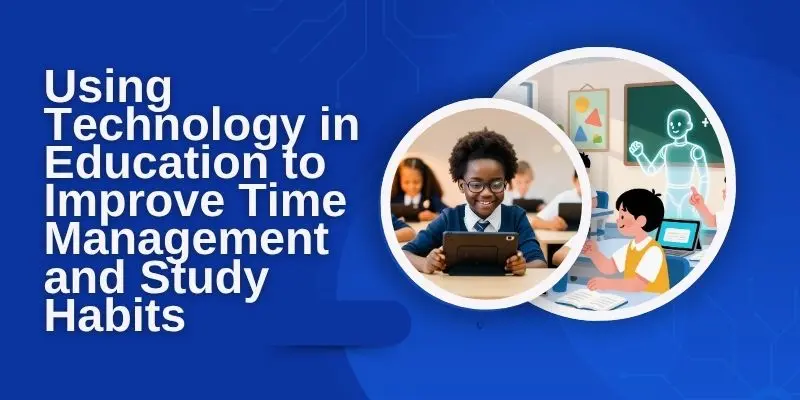
Another benefit of using smartphones for education is the availability of study analytics. Some modern apps track how much time a student spends on different subjects and suggest where improvements are needed. This data-driven insight helps learners adjust their routines and focus on weaker areas. Over time, they build a strong sense of accountability for their own learning.
However, while smartphones can make time management easier, it’s important to use them wisely. Too many notifications or unnecessary apps can cause distractions. Students should try to keep only useful educational tools on their devices and limit social media during study hours. A well-managed phone can become a student’s best study partner — but an uncontrolled one can easily waste valuable time.
In short, using technology in education has made time management and study planning much simpler. Smartphones, when used smartly, act as personal assistants that remind, organize, and motivate students every day. They help learners stay on track, reach their goals, and maintain a balance between study and relaxation. By mastering digital planning early, students develop lifelong skills that prepare them for success both in school and beyond.
Entertainment and Relaxation Through Smartphones for Students’ Mental Health
In today’s digital world, mobile phones are not just communication or study tools — they are also powerful sources of entertainment and mental relaxation for students. After long study hours, assignments, and exams, every student needs some time to unwind. Smartphones provide a quick and easy way to relax the mind, reduce stress, and improve overall mental health and emotional balance.
Modern smartphones offer countless forms of digital entertainment — from music streaming apps like Spotify and YouTube Music to short video platforms like Instagram Reels, TikTok, and YouTube Shorts. These platforms help students refresh their minds during study breaks. Watching a few funny or motivational clips, or listening to favorite songs, can instantly uplift mood and reduce stress. According to psychologists, controlled doses of entertainment actually help improve focus and productivity when students return to their studies.
For many students, mobile games are also a popular way to recharge. Games such as puzzle apps, word challenges, and brain-training games not only provide enjoyment but also sharpen problem-solving and memory skills. Educational games like Kahoot, Duolingo, or Lumosity mix learning with fun — giving students a sense of achievement while keeping their minds active. This blend of learning and entertainment (often called edutainment) supports better cognitive development and emotional satisfaction.
Beyond games and videos, smartphones also support mental health apps and relaxation tools. Apps like Calm, Headspace, and Insight Timer provide guided meditation, breathing exercises, and sleep sounds. These are scientifically proven to reduce anxiety, help with focus, and promote mindfulness among students. Just five minutes of meditation during a stressful day can improve clarity and emotional stability. Many schools even encourage students to use such apps to manage academic pressure and mental fatigue.
Smartphones also act as social connection tools, which are crucial for emotional health. Students can stay connected with friends and family through apps like WhatsApp, Messenger, or FaceTime. Talking to loved ones or sharing feelings during difficult times provides emotional support and helps fight loneliness — one of the growing challenges in student life today. These digital interactions, when used positively, enhance emotional resilience and social well-being.
However, while smartphones offer these mental health benefits, balance is key. Overusing entertainment apps can lead to screen addiction and disrupt sleep patterns. Too much screen time can also increase stress, anxiety, and reduce physical activity. That’s why students should learn digital balance — using entertainment apps moderately and setting time limits. Many smartphones now include built-in screen time trackers and focus modes that help users manage usage habits. Developing this self-control early helps students enjoy the benefits of technology without falling into harmful patterns.
Another hidden benefit of entertainment through smartphones is creative inspiration. Students who watch educational videos, documentaries, or tutorials on platforms like YouTube or Coursera often develop new interests and ideas. For example, a student who enjoys photography might get inspired to start a creative project or learn photo editing. These positive forms of entertainment can lead to skill-building, self-expression, and even career development in creative fields.
Smartphones also encourage community participation. Online platforms like Reddit, Quora, and Discord allow students to join groups based on hobbies or academic interests. Sharing thoughts with others who have similar passions can bring joy, motivation, and a sense of belonging — all of which are vital for good mental health.
To make the most of smartphone entertainment, students should focus on mindful usage. This means choosing content that inspires, educates, or relaxes, instead of endless scrolling. Creating a simple routine — like 20 minutes of gaming after homework or a 10-minute music break before bedtime — can help the brain recover without distraction.
In conclusion, entertainment and relaxation through smartphones play an important role in supporting students’ mental health. When used wisely, these devices become tools of happiness, creativity, and balance. Music, games, social connections, and mindfulness apps all contribute to emotional well-being and help students perform better academically. The key is moderation — using mobile phones to refresh the mind, not to escape reality. With mindful entertainment habits, students can enjoy the best of both worlds: a calm mind and a sharp focus.
Role of Smartphones in Online Learning and Virtual Education Systems
Smartphones have completely changed how students learn, attend classes, and connect with teachers. In today’s digital age, education is no longer limited to classrooms and textbooks. With the rise of virtual education systems, smartphones have become the most powerful learning tool in a student’s pocket. They make studying more flexible, interactive, and accessible — anytime and anywhere.
One of the biggest advantages of using smartphones for online learning is convenience. Students can join virtual classes, attend video lectures, or participate in live discussions from anywhere — whether they’re at home, traveling, or even during short study breaks. Apps like Google Classroom, Zoom, and Microsoft Teams have made this possible. These platforms allow students to communicate with teachers, submit assignments, and collaborate with classmates in real time. This flexibility helps students stay consistent in their learning without being limited by time or place.
Smartphones also bridge the digital divide by providing access to e-learning platforms such as Coursera, Udemy, Byju’s, and Khan Academy. These apps offer thousands of educational videos, practice tests, and courses on nearly every subject imaginable. Whether it’s improving math skills or learning a new language, students can now expand their knowledge beyond school syllabi. This shift toward mobile education technology empowers students to take control of their own learning pace and explore topics that truly interest them.
The role of smartphones in virtual classrooms goes beyond just attending online lectures. They make learning more engaging and dynamic through interactive tools like quizzes, polls, and instant feedback. Teachers can share multimedia content — videos, infographics, and animations — that make complex concepts easier to understand. For example, a science teacher can demonstrate an experiment through an AR (Augmented Reality) app, allowing students to visualize how it works. This integration of digital learning tools creates a more immersive experience and helps improve student engagement and retention.
Another major advantage is collaboration and communication. Through chat features, discussion forums, and group study apps, students can easily connect with peers from different cities or even countries. This global interaction encourages knowledge-sharing, teamwork, and exposure to diverse learning perspectives. Virtual group projects have also become easier, allowing students to divide tasks, brainstorm ideas, and present their work digitally.
Smartphones also support self-paced learning, which is especially useful for students with different learning speeds. Some learners prefer to rewatch recorded lectures or take additional time to understand complex topics. With smartphones, they can pause, rewind, and review lessons whenever they need. This personalized approach to education improves comprehension and boosts confidence.
In addition, mobile phones help in tracking academic progress. Many learning platforms come with dashboards that display grades, attendance, and performance analytics. Students can monitor their strengths and weaknesses, helping them focus on areas that need improvement. Parents and teachers can also use these reports to provide guidance and set future goals.
Furthermore, smartphones have become essential in remote learning environments, especially after the global pandemic. During lockdowns, they allowed millions of students to continue their education without interruption. Even in areas with limited computer access, smartphones became the main gateway to digital classrooms. This accessibility has transformed education into a more inclusive system — one that reaches students from rural and underprivileged areas as well.
However, while smartphones have made virtual education easier, there are some challenges too. Poor internet connectivity, small screen sizes, and constant distractions from social media can reduce focus. That’s why digital discipline is important. Students should create a separate folder for study apps, mute notifications during classes, and maintain a fixed schedule to avoid multitasking. With good habits, smartphones can become powerful allies in education rather than sources of distraction.
Looking ahead, the future of virtual education will rely even more on smartphones. With innovations like AI-powered learning assistants, adaptive quizzes, and immersive AR/VR classrooms, students will experience more personalized and interactive learning environments. Mobile devices will act not only as communication tools but as complete learning ecosystems designed for exploration and creativity.
In conclusion, smartphones have revolutionized the online learning and virtual education system. They provide flexibility, accessibility, and engagement that traditional classrooms alone can’t match. When used responsibly, they help students stay connected, informed, and motivated. As technology continues to evolve, smartphones will remain at the heart of modern education — making learning smarter, faster, and more inclusive than ever before.
Negative Impact of Smartphones on Student Concentration
Smartphones have become a part of every student’s daily life — from studying to socializing. But while they bring countless advantages, they also come with one major downside: distraction. The constant pings, pop-ups, and social media notifications make it harder for students to focus on their studies. Instead of staying on one task, students often find themselves jumping from one app to another, reducing their ability to concentrate for long periods.
The biggest reason behind this is notification overload. Every minute, messages, likes, and updates compete for a student’s attention. Even if they only check their phone “for a second,” it often leads to several minutes of scrolling or chatting. This repeated habit breaks concentration and lowers productivity. Research shows that it takes several minutes for the brain to fully refocus after being distracted, meaning that even short interruptions can have a long-lasting effect on study performance.
Another issue is mobile multitasking. Many students believe they can study while listening to music, texting, or watching videos. However, this divided attention actually harms learning. The brain struggles to process information deeply when switching between tasks. For example, reading notes while checking Instagram stories may seem harmless, but it reduces memory retention and comprehension. Over time, this multitasking behavior weakens a student’s ability to focus on one thing — an essential skill for effective learning.
Smartphones also promote instant gratification. With everything available at a tap, students are becoming less patient with longer tasks. When they get used to quick entertainment — like watching short videos or playing fast-paced games — they find it harder to engage with slow, detailed study materials. This short attention span not only impacts academics but also critical thinking and creativity.
The rise of social media addiction adds to the problem. Platforms like TikTok, Snapchat, and Instagram are designed to keep users hooked with endless scrolling. For students, this creates a constant need to check for updates, likes, or new content. Even during lectures or homework time, many find it difficult to resist the urge to look at their phones. This continuous distraction leads to procrastination — pushing important work aside for temporary digital satisfaction.
Another hidden factor is sleep disturbance caused by mobile use. Many students use their phones late into the night, watching videos or chatting with friends. The blue light from screens disrupts melatonin production, a hormone that helps control sleep cycles. Poor sleep leads to tiredness, irritability, and reduced focus the next day. Without proper rest, concentration naturally drops, making it harder to stay alert during classes.
Smartphones also create a false sense of productivity. Using educational apps or browsing information can make students feel like they’re studying — even when they’re not fully paying attention. This illusion can waste valuable time and reduce deep learning. Effective studying requires full mental engagement, not partial focus interrupted by constant alerts.
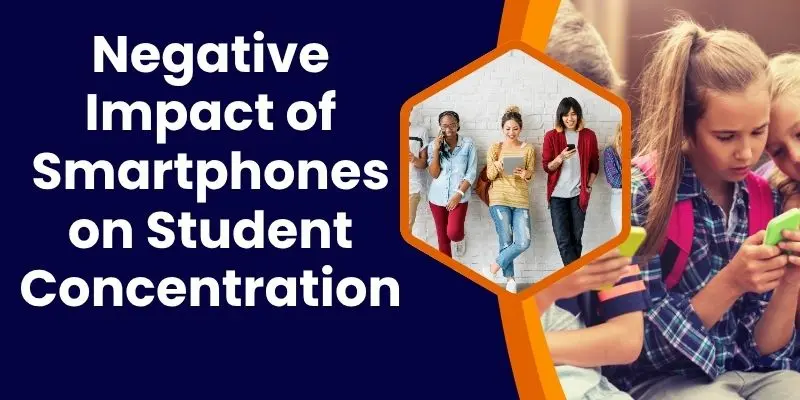
However, this doesn’t mean smartphones are the enemy of education. The key is digital discipline. Students can manage distractions by using tools like Focus Mode, Do Not Disturb, or productivity apps that block social media during study hours. Simple changes — like keeping the phone out of reach, studying in silent mode, or checking messages only during breaks — can make a huge difference.
Parents and teachers can also play a role by encouraging students to develop healthy digital habits. For instance, setting specific study times, using paper notes instead of phones, or rewarding screen-free study sessions can help rebuild concentration power. It’s not about completely avoiding technology — it’s about learning how to control it instead of letting it control you.
In short, smartphones can both help and harm students — it all depends on how they are used. When used carelessly, they weaken attention span, reduce focus, and make studying harder. But when used wisely, they can support learning and time management. The challenge for today’s students is finding that balance. Managing phone use responsibly allows them to enjoy the benefits of technology without losing the power of deep concentration — a skill that defines real academic success.
Smartphone Addiction Among Students and Its Effects
Smartphones are powerful tools for learning and communication, but when their use becomes excessive, they can easily turn from helpful companions into harmful habits. Today, smartphone addiction among students has become a serious issue affecting not only studies but also mental health and personal development. Many students find it hard to go even a few minutes without checking their phones, leading to distraction, anxiety, and loss of focus.
Smartphone addiction refers to the uncontrollable urge to constantly check or use a mobile device — even when it’s not necessary. For students, this habit often begins with simple actions like replying to a message or watching a short video during a break. Over time, it grows into hours of unnecessary scrolling through social media, gaming, or chatting late at night. This continuous engagement triggers the brain’s dopamine system — the same chemical linked with pleasure and reward. Every like, comment, or new notification gives a small dopamine rush, making students crave more digital interaction.
One of the main effects of smartphone addiction is poor academic performance. Students who spend too much time on their phones often struggle to stay attentive in class, complete homework on time, or prepare properly for exams. Even when they try to study, the temptation to check notifications breaks concentration. Research has shown that multitasking between phone use and study reduces memory retention and overall learning efficiency.
Another serious impact is on mental health. Constant use of social media can lead to stress, loneliness, and anxiety. Students often compare their lives to those of others online, which creates feelings of inadequacy and low self-esteem. Moreover, the endless flow of digital information keeps the mind overstimulated, preventing real relaxation. Many young people also report “phantom vibration syndrome” — the feeling that their phone is buzzing even when it’s not, a clear sign of psychological dependency.
Sleep problems are another major effect of excessive phone use. Many students scroll through social media or watch videos before sleeping, not realizing that the blue light from the screen affects their body’s natural sleep rhythm. This leads to late nights, reduced sleep quality, and tiredness during the day. Over time, sleep deprivation affects mood, memory, and concentration — creating a negative cycle that impacts both health and academic results.
Smartphone addiction also contributes to social isolation. While phones are meant to connect people, overuse often leads to the opposite. Students start spending less time with family and friends in real life. Group hangouts turn silent, with everyone focused on their screens. This weakens emotional connections and reduces important social skills like empathy, listening, and real conversation.
There are also physical health effects linked with phone dependency. Constantly staring at the screen leads to eye strain, headaches, and neck pain — often called “text neck.” Long hours of sitting with phones also reduce physical activity, contributing to weight gain and poor posture. Over time, this sedentary lifestyle affects overall fitness and energy levels.
Despite all these problems, smartphone addiction is not impossible to overcome. The first step is awareness — understanding how much time is actually spent on the phone. Many smartphones have built-in screen time trackers that show usage patterns. Setting daily limits or using productivity apps like Stay Focused or Digital Wellbeing can help control unnecessary usage. Students can also schedule “digital detox” periods, where they intentionally disconnect for a few hours each day to focus on studies, exercise, or spend time with family.
Parents and teachers can play an important role by creating a healthy digital environment. Encouraging offline hobbies like reading, sports, or art can help students rediscover real-world joy and creativity. Schools can also educate students about digital hygiene, teaching them how to use smartphones responsibly without falling into addictive patterns.
In the end, smartphones themselves are not harmful — it’s how they’re used that matters. When students use them wisely for learning and communication, they’re valuable educational tools. But when screen time becomes uncontrollable, it starts affecting every area of life — from grades to emotional health. By learning self-control, digital balance, and mindful usage, students can break free from addiction and use technology to their advantage rather than being controlled by it.
Cyberbullying, Online Threats, and Digital Safety for Students
In today’s digital era, smartphones have become an essential part of every student’s life. They connect learners to the world, provide unlimited information, and make education more flexible than ever. However, along with these benefits comes a darker side — the rise of cyberbullying, online threats, and digital safety issues. Social media, chat apps, and online gaming platforms can expose students to harmful interactions that affect their mental health and academic performance. Therefore, learning digital safety is just as important as learning from digital tools.
Cyberbullying refers to the act of using digital platforms to insult, threaten, or spread rumors about someone. Unlike traditional bullying, which happens face-to-face, cyberbullying can occur anytime and anywhere through smartphones. A single post, comment, or message can cause emotional pain, embarrassment, and even long-term anxiety. Unfortunately, many students experience cyberbullying through platforms like WhatsApp, Instagram, TikTok, and Snapchat, where harmful messages or edited photos can spread quickly among peers. This constant exposure to online negativity can lower self-esteem, distract from studies, and even lead to social withdrawal.
Besides bullying, students also face online threats such as fake accounts, identity theft, and phishing scams. Many teenagers are not aware of how easily personal information shared online can be misused. Hackers or fake profiles might pretend to be friends or classmates to collect personal data or send malicious links. Once a student’s private information — like school name, phone number, or photos — gets exposed online, it can lead to privacy breaches and security risks. This is why digital awareness and responsible smartphone use are crucial for every student.
To protect themselves, students must learn about digital etiquette and online safety practices. They should never share personal details or passwords with anyone, even friends. It’s also important to use privacy settings on social media platforms to control who can view their posts or send them messages. Reporting and blocking suspicious accounts should be a normal practice, not something to be afraid of. Schools and parents also play a big role in guiding students on how to behave safely and respectfully in digital spaces. Regular discussions about online behavior and emotional health can prevent many cases of cyberbullying.
In addition, educational institutions can organize workshops on cyber safety and mental health to help students understand the impact of online actions. Learning how to identify fake news, scams, and harmful online behavior gives students confidence to use smartphones wisely. Teachers can also create supportive online communities where students feel safe sharing concerns or reporting bullying without fear of judgment. This collective awareness promotes a healthier online culture and builds empathy among peers.
Smartphones are powerful tools for learning and connection — but only when used responsibly. Students must realize that what they post online can have lasting consequences. Kindness, respect, and mindfulness should guide every message and interaction. By developing digital literacy, students not only protect themselves but also contribute to making the internet a safer place for everyone.
In conclusion, while smartphones open countless doors to education and communication, they also bring challenges like cyberbullying and online threats. The best defense is awareness, responsibility, and empathy. When students learn to balance technology with caution and kindness, they can enjoy all the benefits of the digital world without falling into its dangers.
Physical Health Problems Caused by Excessive Smartphone Use in Students
Smartphones have become an inseparable part of modern education and daily student life. From taking online classes to communicating with peers and accessing learning apps, students rely on their phones for nearly everything. However, while these devices are beneficial for education and convenience, excessive smartphone use can seriously impact students’ physical health. Long hours of screen time often lead to problems such as eye strain, neck and back pain, poor posture, and reduced physical activity, all of which can harm a student’s overall fitness and well-being.
One of the most common health issues caused by overusing smartphones is digital eye strain. Students spend hours scrolling, reading, or watching videos on small screens, forcing their eyes to focus at a close distance for long periods. This causes symptoms such as dryness, blurred vision, headaches, and discomfort — commonly known as “computer vision syndrome.” Blue light emitted from smartphone screens can also interfere with sleep cycles by suppressing melatonin production, leading to difficulty falling asleep or feeling tired during the day. Over time, this can affect not only a student’s eyesight but also their academic performance and concentration.
Another major issue linked to smartphone overuse is neck and back pain, often referred to as “text neck.” When students look down at their phones for extended periods, it puts excessive strain on their necks, shoulders, and spines. Poor posture while using mobile devices can lead to stiffness, muscle tension, and even long-term spinal alignment problems. Many students develop a habit of hunching over their devices during study sessions or social media use, unaware that this posture slowly damages their bodies. The lack of awareness about proper screen ergonomics makes this issue even more common among teenagers and young adults.
In addition to eye and posture-related issues, reduced physical activity is another concerning effect of excessive smartphone usage. Students who spend too much time on their phones are more likely to lead sedentary lifestyles. Instead of engaging in outdoor games, exercise, or sports, they spend hours scrolling through social media, watching videos, or chatting online. This lack of movement can lead to weight gain, weak muscles, poor stamina, and even early signs of obesity. Physical inactivity not only affects the body but also the mind, as regular exercise is known to improve mood, focus, and mental clarity — all essential for effective learning.
Moreover, continuous smartphone use can affect sleep patterns. Many students use their phones late at night, either for entertainment or study purposes. However, the blue light and constant notifications delay sleep and reduce sleep quality. Poor sleep can lead to fatigue, mood swings, irritability, and poor academic performance. Over time, the combination of sleep deprivation and physical inactivity can lead to more serious health conditions, such as anxiety, depression, and weakened immunity.
To prevent these health problems, students must develop healthy smartphone habits. Experts recommend following the “20-20-20 rule” — every 20 minutes, look at something 20 feet away for at least 20 seconds to relax the eyes. Maintaining proper posture, using ergonomic furniture, and keeping the screen at eye level can also reduce strain on the neck and back. Students should also set daily screen-time limits and take short breaks during study sessions to stretch or move around. Replacing some phone time with physical activities like walking, cycling, or sports helps maintain body fitness and boosts energy levels.
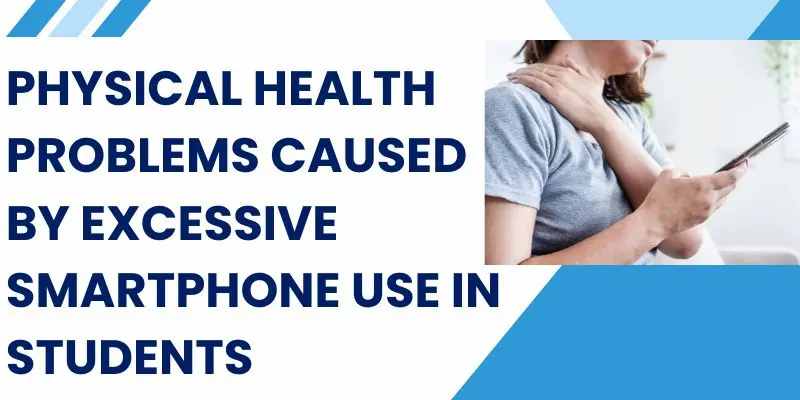
Parents and teachers also play an essential role in guiding students toward balanced technology use. Schools can include awareness sessions about digital health and posture correction, while parents can encourage outdoor play and monitor excessive mobile use at home. By fostering healthy digital habits early, students can enjoy the benefits of technology without compromising their physical well-being.
In conclusion, smartphones are valuable educational tools, but uncontrolled use can damage physical health. Problems like eye strain, neck pain, poor posture, and lack of exercise are preventable through mindfulness and balance. When students learn to manage screen time wisely and prioritize physical activity, they build habits that support both their academic growth and long-term health. Technology should empower learning — not weaken the body that uses it.
Data Privacy Issues and Security Risks in Mobile Learning Environments
In today’s digital age, mobile learning has transformed how students access education. Smartphones, tablets, and educational apps have made studying more flexible, interactive, and accessible. However, this convenience comes with a hidden challenge — data privacy and security risks. Many students use learning apps and online platforms without realizing that their personal information, location, and browsing data may be collected, stored, or even shared with third parties. Understanding digital privacy, safe browsing practices, and online data protection is now more important than ever for every student.
Most educational platforms require users to sign up using personal details such as their name, age, email, and sometimes even school information. Some apps also track activity patterns, device data, or location to improve user experience or display targeted ads. While this might seem harmless, data misuse or unauthorized access can expose sensitive student information. For example, cybercriminals can hack into unsecured apps or websites and steal data for identity theft, spam, or fraud. Once leaked, this information can spread across the internet, creating long-term digital footprints that are almost impossible to erase.
Another growing concern in mobile learning environments is weak password security. Many students use simple passwords, reuse the same credentials across multiple apps, or share them with friends for convenience. This makes it easier for hackers to access private accounts, emails, and cloud-stored documents. Phishing attacks — where fake websites or messages trick users into revealing login details — are becoming increasingly common among students. These threats highlight the importance of creating strong, unique passwords and enabling two-factor authentication whenever possible.
Furthermore, public Wi-Fi networks, often used by students for online learning, can be major security risks. When connected to an open Wi-Fi, personal information like login details or messages can be intercepted by hackers. Cybercriminals can use this data to access student accounts or install malware on devices. To stay safe, students should always use trusted internet connections and avoid entering personal details when using public networks. Installing a reliable antivirus app or VPN can also add an extra layer of protection.
In addition to technical risks, a lack of digital awareness is another big problem. Many students are unaware of how much data apps collect or how to check privacy settings. Educational institutions must educate learners about the importance of data ethics and online safety. Students should regularly review app permissions, disable unnecessary tracking, and keep their operating systems and apps updated. Updates often contain security patches that fix vulnerabilities hackers might exploit.
Schools and universities also have a responsibility to protect student information. When institutions use digital learning tools or platforms, they must ensure that those tools comply with privacy standards like GDPR (General Data Protection Regulation) or COPPA (Children’s Online Privacy Protection Act). Data encryption, secure cloud storage, and transparent privacy policies should be mandatory for all educational technology providers. Teachers should encourage students to report any suspicious activity or phishing attempts immediately.
Moreover, social media and third-party integrations can also compromise data safety in learning environments. Some apps allow students to log in using their social media accounts. While this seems convenient, it often grants these apps access to additional personal data like photos, contacts, and location history. This over-sharing of information can lead to digital identity exposure or misuse by advertisers. Students must carefully review what permissions they grant and limit app access to only what’s necessary for learning.
Protecting data privacy isn’t just about security — it’s about building digital responsibility and awareness. By understanding how their information is used, students can make smarter choices online. They should learn to question what data apps really need, avoid oversharing on public forums, and think before clicking any unfamiliar link. This habit not only protects their personal identity but also shapes them into responsible digital citizens.
In conclusion, while mobile learning offers incredible educational opportunities, it also demands greater attention to data privacy and security. Students, teachers, and parents must work together to ensure safe digital practices. By using secure passwords, staying aware of app permissions, and understanding data risks, students can continue learning online without compromising their safety. Education should empower the mind — not endanger digital identity.
Impact of Mobile Phones on Academic Performance and Learning Outcomes
Smartphones have become powerful educational companions for students — offering instant access to lessons, online libraries, and communication tools. However, while these devices can enhance learning, their excessive or improper use often affects academic performance and study quality. Mobile phones can either act as helpful learning aids or dangerous distractions, depending on how students use them. Understanding their true impact is essential for developing healthier digital learning habits and achieving better educational outcomes.
On the positive side, mobile phones make education more accessible and flexible. Students can attend virtual classes, review recorded lectures, and use apps like Google Classroom or Microsoft Teams to keep track of assignments. E-learning platforms such as Coursera, Quizlet, and Khan Academy help students revise topics at their own pace, which can improve comprehension and retention. For students in remote areas, smartphones often serve as their only link to online education — bridging the gap between schools and digital resources. This convenience helps students stay updated and encourages self-directed learning.
However, the downside becomes clear when mobile use shifts from learning to distraction. Notifications, social media updates, and gaming apps constantly compete for attention, breaking students’ focus during study hours. According to education experts, frequent phone checking disrupts “deep work” — the state of full concentration necessary for effective studying. Students may start multitasking — switching between apps, chatting, and studying — which reduces memory retention and lowers test performance. Even a single message alert during a study session can significantly impact focus and comprehension.
Another growing issue is mobile phone dependency. Many students develop habits of constantly scrolling or checking their devices, even when not needed for study purposes. This digital addiction can reduce motivation and increase procrastination. Instead of preparing for exams or completing assignments, students might spend hours on entertainment platforms, leading to poor grades and missed deadlines. In such cases, mobile phones turn from learning tools into obstacles to academic growth.
Additionally, sleep disruption caused by nighttime smartphone use also affects academic performance. Late-night scrolling, video watching, or chatting delays sleep and decreases mental alertness the next day. Students who don’t get enough rest often struggle with concentration, memory, and energy — all key factors for effective learning. Over time, poor sleep habits can lead to chronic fatigue, lower grades, and decreased participation in classroom activities.
Despite these drawbacks, smartphones can still be used productively if students follow balanced digital habits. For example, using study-tracking apps like Forest, Notion, or Todoist can help students schedule study time and limit distractions. Turning off unnecessary notifications and setting “focus mode” during learning hours allows better concentration. Students can also use smartphones to record lectures, take digital notes, or use AI-powered apps for language learning and math problem-solving — all of which can enhance academic success when used responsibly.
Teachers and parents play an important role in guiding students toward responsible smartphone use. Educators can integrate technology into classrooms through interactive lessons or digital quizzes that keep students engaged. At the same time, they can establish clear rules — such as “no phones during lectures” or “limited screen time for assignments.” Parents can support by monitoring daily screen use and encouraging offline study time. These small steps help build discipline and teach students the value of digital balance.
Moreover, schools and universities should educate students about digital well-being. Workshops on time management, safe browsing, and responsible technology use can help learners understand both the advantages and dangers of smartphones. By teaching digital literacy early, institutions can empower students to use technology effectively without letting it control their attention.
In conclusion, smartphones have a dual impact on academic performance — they can enhance learning or hinder it, depending on how they are used. Balanced smartphone use, guided by self-control and awareness, can help students stay productive and focused. When managed wisely, these devices support creativity, collaboration, and independent learning. But when misused, they lead to distractions, poor sleep, and lower grades. The key lies in finding the right balance — using technology as a tool for education, not as a trap for attention.
Conclusion
In the modern world, mobile phones have become an essential part of every student’s life, offering both tremendous benefits and noticeable drawbacks. When used wisely, they serve as powerful tools for learning, research, and communication — helping students stay connected and organized. However, excessive or careless use can lead to distractions, poor academic performance, health issues, and privacy risks. The real challenge is not whether mobile phones are good or bad, but how students choose to use them. By balancing study and screen time, following digital safety practices, and maintaining healthy habits, students can enjoy the full advantages and disadvantages of mobile phones for students smartly and responsibly. In the end, a thoughtful approach to smartphone use can help every learner succeed both academically and personally in this fast-moving digital era.
FAQs
Mobile phones help students connect with teachers, access e-learning apps, and search educational websites quickly. They allow instant access to notes, lectures, and research materials anytime and anywhere. With proper use, smartphones can improve productivity, learning outcomes, and time management skills for students.
While mobile phones support digital learning, they can easily become sources of distraction. Too much use of gaming or social media reduces concentration and academic focus. Over time, this leads to lower grades, disturbed sleep patterns, and poor study discipline if not managed properly.
Smartphones can either boost or harm academic results depending on how they’re used. Educational apps and tools enhance understanding and engagement, but multitasking and constant notifications break focus. Students who balance their usage perform better, while those addicted to phones often struggle with poor performance.
Yes, smartphones make online education convenient and accessible. They allow students to attend live classes, download lectures, and complete assignments digitally. Mobile learning has become a key part of modern education, helping students continue their studies even outside the classroom.
Mobile phones can support mental well-being by offering entertainment, music, and relaxation. However, excessive use can increase stress, anxiety, and loneliness among students. Maintaining a balance between digital use and real-world interaction is essential for protecting mental and emotional health.
Extended screen time often leads to eye strain, neck pain, and poor posture. Students who use phones for long hours tend to move less, resulting in weak muscles and reduced physical fitness. Regular exercise, screen breaks, and proper sitting posture can prevent these health issues.
Students must learn about digital safety, such as using strong passwords and avoiding suspicious links or apps. Checking app permissions and installing security updates regularly helps protect personal data. Awareness of online privacy ensures safer learning experiences in digital environments.
Parents and teachers can set clear screen-time rules, promote focus apps, and encourage outdoor activities. Teaching digital discipline helps students understand when and how to use smartphones effectively. Consistent guidance ensures that phones become learning tools, not distractions.
Most educational apps are safe when downloaded from trusted platforms like Google Play or the App Store. However, students should avoid apps that collect unnecessary data or show too many ads. Reading privacy policies and keeping devices updated improves mobile learning safety.
The best approach is to use smartphones mainly for study, research, and communication purposes. Turning off social media notifications during study hours helps maintain focus. Balanced usage — combining study, rest, and real-life interaction — allows students to enjoy the benefits of technology responsibly.






- Be Respectful
- Stay Relevant
- Stay Positive
- True Feedback
- Encourage Discussion
- Avoid Spamming
- No Fake News
- Don't Copy-Paste
- No Personal Attacks
- Be Respectful
- Stay Relevant
- Stay Positive
- True Feedback
- Encourage Discussion
- Avoid Spamming
- No Fake News
- Don't Copy-Paste
- No Personal Attacks
