AI in EdTech for Businesses: Smarter Training, Better Insights & Faster Growth
Published: 10 Sep 2025
AI in EdTech for Businesses is transforming the way companies approach learning and development. No longer limited to classrooms, education technology now drives corporate training, upskilling, and workforce development. With AI, businesses can personalize lessons, track employee progress, and even predict future skill requirements. This means faster training, smarter insights, and stronger results.
AI in EdTech for Businesses isn’t just a passing trend—it’s a true competitive advantage. The sections ahead reveal how companies can harness their power to revolutionize learning and stay ahead in today’s fast-changing market.
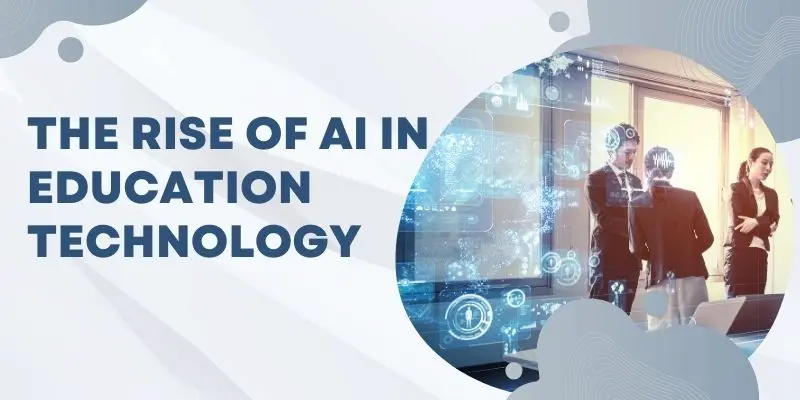
The Rise of AI in Education Technology
Artificial Intelligence is becoming a key part of education technology. In the past, digital learning mostly meant online courses, recorded lectures, or simple training modules. Today, AI has changed that completely. It allows learning systems to think, adapt, and respond more like a human teacher.
For businesses, this shift is powerful. Companies no longer rely only on one-size-fits-all training programs. Instead, they can use AI to give employees learning paths that fit their skills, pace, and goals. This saves time and improves results.
AI is also driving adoption because it reduces costs. Automating tasks like grading, content updates, and progress reports means businesses spend less on manual work. At the same time, they gain accurate insights into how employees are learning.
The rise of AI in EdTech shows that learning is no longer just about delivering knowledge. It’s about creating smarter systems that help businesses train their teams quickly, effectively, and at scale.
How AI Enhances Learning for Corporate Training
Corporate training has always been a challenge. Employees have different skill levels, learning speeds, and career goals. A single training program often leaves some people behind, while others find it too easy. This is where Ethical AI for Businesses makes a big difference, ensuring that AI-driven training is not only personalized but also fair, transparent, and responsible.
AI brings personalized learning into the workplace. Instead of giving the same course to everyone, AI studies how each employee learns and then adjusts the content. For example, if someone struggles with a topic, the system can give extra practice. If another person learns faster, it can skip ahead. This keeps training effective and engaging.
Another benefit is adaptive training modules. These are smart courses that change based on the learner’s performance. For example, if an employee answers questions correctly, the system moves them to harder topics. If they make mistakes, it provides simpler explanations or practice exercises. This ensures no time is wasted, and every learner gets exactly what they need.
AI also plays a big role in business upskilling. Companies must keep their teams ready for new tools, technologies, and market changes. AI-powered platforms can suggest new skills employees should learn, based on industry trends or company goals. This helps businesses prepare their workforce for the future while reducing the risk of skill gaps.
In short, AI makes corporate training more flexible, more personal, and more useful. Instead of boring, one-size-fits-all courses, employees get a smart learning journey that helps them grow—and helps businesses stay competitive.
Smart Content Creation and Knowledge Delivery
One of the biggest challenges in business training is creating fresh and useful learning material. Traditional content takes time to prepare, and by the time it is ready, it may already be outdated. AI solves this problem with smart content creation, and modern AI Tools for Content Creation help businesses generate updated, personalized, and engaging learning materials instantly.
AI tools can generate training modules, presentations, and quizzes in minutes. For example, if a company introduces new software, AI can quickly create guides and lessons based on the software’s functions. This helps businesses keep their training material updated without wasting time.
Another major benefit is automated assessments. Instead of manually designing tests, AI can create quizzes, case studies, or practice tasks based on the learner’s progress. It can also grade these assessments instantly, giving employees immediate feedback. This saves managers time and ensures employees know where they stand.
AI also improves knowledge delivery with interactive materials. Instead of static slides or text-heavy manuals, AI can design engaging formats like chat-based lessons, simulations, or gamified quizzes. These interactive tools make learning fun and easier to remember. Employees are more likely to stay engaged and apply what they learn in real work situations.
In short, AI makes learning content smarter, faster, and more engaging. Businesses no longer have to spend weeks creating training resources. With AI, they can deliver the right content at the right time, keeping employees updated and motivated.
Data-Driven Insights for Business Learning Programs
Training is only effective if businesses can measure the results. In the past, companies often relied on surveys or simple completion reports to see if employees learned something. This gave only a limited picture. With AI, businesses now get data-driven insights that show the real impact of learning.
AI uses analytics to study how employees interact with training. It can track how much time they spend on lessons, which parts they repeat, and where they struggle. This helps managers understand what is working and what needs improvement.
Another benefit is performance tracking. AI can measure employee progress in real time. For example, if an employee is doing well in a sales training course, the system can show this instantly. If another employee is falling behind, managers get alerts and can offer support right away.
AI also provides predictive insights. This means it doesn’t just look at what is happening now but also predicts future outcomes. For example, if the system sees that many employees are weak in a certain skill, it can warn managers that this skill might cause problems in the future. Businesses can then prepare extra training before it becomes an issue.
By using these insights, companies make smarter decisions. They can improve training programs, cut out what doesn’t work, and focus on the areas that bring real results. In the end, this leads to better employee performance and stronger business growth.
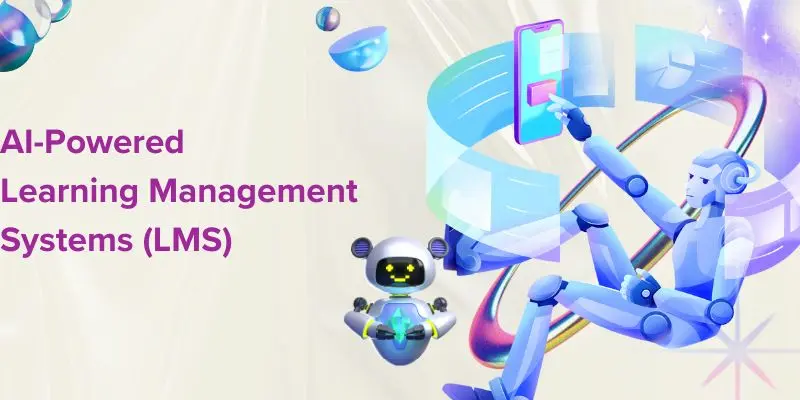
AI-Powered Learning Management Systems (LMS)
A Learning Management System (LMS) is a platform where companies create, deliver, and track training programs. Many businesses already use LMS tools, but with the help of AI, these systems become much smarter and more efficient.
One of the biggest benefits is automation. AI can take over repetitive tasks like enrolling employees in courses, sending reminders, or grading quizzes. This reduces the workload for managers and trainers, allowing them to focus on improving learning instead of handling routine tasks.
AI also improves LMS through personalized recommendations. Just like Netflix suggests movies, an AI-powered LMS can suggest courses or learning modules based on an employee’s role, skills, or performance. For example, if someone in marketing struggles with data analysis, the system can recommend a short course on analytics. This keeps training relevant and useful.
Another key advantage is efficiency. Traditional LMS platforms often feel slow and outdated, with lots of manual work. AI makes the process faster and smarter. It can analyze employee progress, adjust learning paths automatically, and ensure that training aligns with company goals.
In short, an AI-powered LMS doesn’t just store and deliver courses—it becomes an intelligent partner for both employees and managers. It saves time, makes learning more personal, and ensures businesses get the most value out of their training programs.
Boosting Employee Engagement Through Intelligent Tools
One of the biggest challenges in corporate training is keeping employees motivated. Many training programs feel boring or too long, which makes people lose interest. AI helps solve this problem by making learning more engaging and interactive.
A popular method is gamification. AI-powered systems can turn lessons into challenges, quizzes, or even small games. Employees can earn points, badges, or rankings as they progress. This makes learning feel less like work and more like a fun activity.
AI also supports virtual tutors. These are smart systems that guide employees step by step, answer their questions, and provide extra support when needed. Unlike a human trainer, a virtual tutor is available anytime, making it easier for employees to learn at their own pace.
Another useful tool is chatbots. Chatbots can instantly answer training-related questions, explain topics in simple words, or provide links to extra resources. This gives employees quick help without waiting for a trainer or manager.
Finally, some companies are adopting AI mentors. These systems track long-term progress, suggest learning paths, and even give career advice based on skills and performance. This makes employees feel supported and valued, which improves motivation.
By using these intelligent tools, businesses turn training into an interactive and engaging experience. Employees stay more focused, learn faster, and feel more connected to their growth. For companies, this means better results and a stronger, more skilled workforce.
AI in Talent Development and Skill Forecasting
For businesses, success depends on having the right people with the right skills. But skills keep changing as new tools and technologies appear. This makes talent development a top priority. AI is helping companies manage this challenge more effectively.
AI can map employee skills by analyzing their training history, performance, and daily work data. For example, it can see if a salesperson is strong in communication but weak in data analysis. This gives managers a clear picture of what each employee is good at and where they need improvement.
It also helps in identifying skill gaps. Instead of guessing which skills the team is missing, AI highlights the exact areas that need attention. If a company plans to adopt new software, the system can show which employees need extra training before the launch. This saves time and ensures smooth transitions.
Most importantly, AI supports skill forecasting. By studying industry trends, company goals, and employee progress, AI predicts what skills will be needed in the future. For example, if a company is moving toward automation, AI can recommend training in data science or robotics for certain roles.
With these insights, businesses can prepare their teams for what’s coming instead of reacting too late. Employees feel more confident about their career growth, and companies stay ready for market changes.
In short, AI makes talent development smarter. It ensures employees learn the right skills at the right time, helping businesses stay competitive in a fast-changing world.
Challenges and Ethical Considerations in AI-Driven EdTech
While AI brings many benefits to workplace learning, it also creates challenges that businesses cannot ignore. To use AI responsibly, companies must understand the risks and take steps to manage them.
One major issue is bias. AI systems learn from data, and if the data contains hidden bias, the system may give unfair results. For example, it might recommend training opportunities more often to certain groups of employees than others. This can affect equality and employee trust.
Another challenge is privacy. AI collects a lot of data about employees, such as their performance, learning speed, and even mistakes. If this data is not protected, it can lead to privacy concerns or misuse. Companies must make sure employee information stays safe and confidential.
Cost is also an important factor. Building or adopting AI-powered systems can be expensive at the start. Small businesses may find it difficult to afford advanced platforms. Companies need to balance the benefits of AI with the costs of implementation.
Finally, businesses must focus on responsible AI use. This means being transparent about how AI makes decisions, ensuring employees understand how their data is used, and avoiding over-reliance on machines. AI should support human learning, not replace the human element completely.
By addressing these challenges, businesses can build trust and use AI in ways that are fair, safe, and effective. Responsible use of AI ensures that workplace learning benefits everyone without creating new problems.
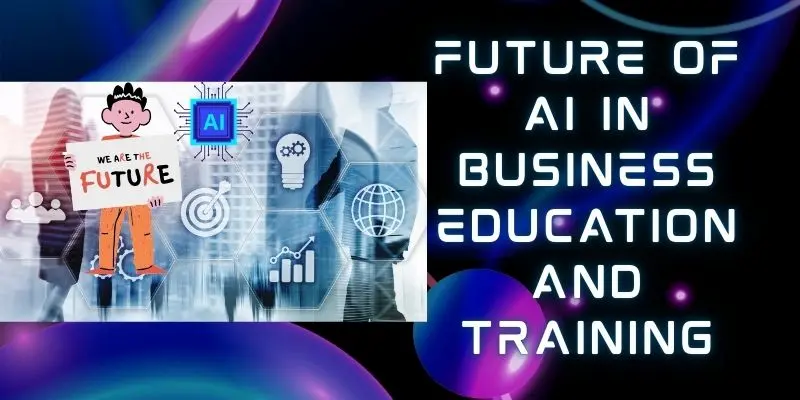
Future of AI in Business Education and Training
The role of AI in business learning is still growing, and the future looks even more exciting. As technology improves, training will become more immersive, personalized, and connected to real business needs.
One emerging trend is the use of AI with Virtual Reality (VR) and Augmented Reality (AR). Employees will be able to practice real-world tasks in a safe digital space. For example, a factory worker could train on complex machines through VR before using the actual equipment. This reduces risks and speeds up skill development.
AI will also bring more personalized learning journeys. Instead of following fixed courses, employees may get a completely customized path that changes as they learn. The system will know their strengths, weaknesses, and career goals, guiding them step by step.
Another future trend is continuous learning with AI assistants. Imagine having a digital coach available 24/7 that suggests new skills, answers questions, and gives feedback during daily work. This will turn learning into an ongoing process rather than a one-time training event.
Finally, the role of AI in EdTech will keep evolving toward strategic business growth. Training will not just focus on improving employee skills but also on aligning those skills with company goals. Businesses that adopt AI-powered learning early will gain a strong competitive advantage in the market.
The future of AI in business education is about smarter, faster, and more engaging learning. Companies that embrace these changes will be better prepared for challenges and ready to lead in their industries.
Conclusion
AI in EdTech for Businesses is reshaping how organizations approach education and training. From personalized learning and smart content to skill forecasting and data-driven insights, AI transforms workplace learning into a powerful growth engine. While challenges like cost, privacy, and bias exist, responsible adoption of AI can overcome them. The future holds even greater potential with VR, AR, and AI-driven mentors making learning smarter, more engaging, and immersive. For businesses, adopting AI in EdTech is no longer optional—it’s the key to building skilled teams and staying competitive in a rapidly changing world.
FAQs
AI in EdTech for businesses means using artificial intelligence tools in workplace learning and corporate training. It helps companies create smart training programs, track employee progress, and deliver personalized lessons. Instead of using the same content for everyone, AI adapts learning to each employee’s needs, making training faster and more effective.
AI improves corporate training by creating personalized learning paths for employees. It identifies their strengths, weaknesses, and learning styles, then adjusts the training to match. With adaptive modules, employees learn at their own pace, which reduces wasted time and improves results. This makes corporate training more engaging and productive for both employees and businesses.
Personalized learning ensures that employees don’t waste time on topics they already know. Instead, AI focuses on the areas where it needs improvement. This helps employees grow faster and makes training more relevant to their job roles. For businesses, it means better skill development, improved performance, and stronger long-term results.
AI-powered content creation saves time and resources for businesses. Instead of manually designing training materials, AI can create lessons, quizzes, and guides automatically. It also keeps content updated with the latest information. This allows businesses to train employees quickly on new tools, policies, or technologies without long delays.
AI-driven assessments are tests and quizzes created and graded by AI systems. They adjust according to the employee’s performance, giving harder or easier questions as needed. This makes assessments fairer and more accurate. Employees also receive instant feedback, which helps them learn faster while saving managers time.
With AI, businesses get detailed data about employee learning. They can track progress, identify weak areas, and predict future skill needs. These insights allow companies to improve training programs, focus on important skills, and prepare for upcoming challenges. In the long run, it saves costs and boosts workforce performance.
AI-powered Learning Management Systems (LMS) automate routine tasks like course enrollment, reminders, and grading. They also recommend courses to employees based on their roles and skill levels. This makes training programs more organized and efficient. Businesses save time while employees receive relevant learning suggestions that help them grow.
AI uses tools like gamification, chatbots, and virtual tutors to make learning interactive. Employees can earn rewards, ask questions instantly, and even get guidance from AI mentors. These features make training more enjoyable and reduce boredom. As a result, employees stay motivated and complete their courses with better focus.
Some key challenges include data privacy, bias in AI systems, and high costs of advanced platforms. Employees may also feel uneasy about how their data is being used. To avoid these issues, businesses need clear policies, strong security, and responsible AI practices. When handled well, the benefits outweigh the risks.
The future will bring even more advanced tools like VR and AR combined with AI. Employees will train in virtual environments, practice real tasks safely, and learn through AI mentors available 24/7. Training will become more personalized, continuous, and aligned with company goals. Businesses that adopt these changes early will gain a big advantage.





- Be Respectful
- Stay Relevant
- Stay Positive
- True Feedback
- Encourage Discussion
- Avoid Spamming
- No Fake News
- Don't Copy-Paste
- No Personal Attacks
- Be Respectful
- Stay Relevant
- Stay Positive
- True Feedback
- Encourage Discussion
- Avoid Spamming
- No Fake News
- Don't Copy-Paste
- No Personal Attacks
