Ethical Hacking for Social Goods: How Hackers Are Protecting the World, Not Breaking It
Published: 19 Oct 2025
In a world driven by technology, hackers are often seen as villains — but not all of them wear black hats. Ethical hacking for social goods flips that image by using hacking skills to protect people, not exploit them. From stopping cyberattacks on hospitals to uncovering security flaws in government systems, ethical hackers play a vital role in building safer digital spaces.
This is hacking with a purpose — ethical hacking for social goods that helps communities, supports organizations, and strengthens global cybersecurity. These digital defenders are reshaping the future of technology and society, one secure system at a time.
Defining Ethical Hacking and Its Social Purpose
Ethical hacking, often referred to as “white-hat hacking,” is the practice of utilizing hacking skills for lawful and constructive purposes. Unlike malicious hackers, who exploit security weaknesses to steal information, cause harm, or disrupt systems, ethical hackers work with permission to identify and fix vulnerabilities before they can be exploited. Their role is preventive, not destructive — they expose flaws to protect individuals, organizations, and even governments from cybercriminals. As technology becomes deeply integrated into every aspect of our lives — from healthcare and education to finance and social welfare — the need for ethical hackers has never been greater. They act as digital guardians, ensuring that the systems we depend on remain secure, private, and trustworthy.
Just like Ethical AI for Businesses promotes responsible and transparent use of artificial intelligence, ethical hacking emphasizes accountability and the positive application of technology. Both aim to create a safer, more ethical digital world where innovation serves society rather than harms it.
At its core, ethical hacking is not about breaking into systems — it’s about strengthening them. These professionals adhere to strict moral guidelines and legal boundaries when testing networks, software, and digital infrastructures. Their work usually begins with authorized penetration testing, where they simulate attacks to discover security weaknesses. Once found, they report the vulnerabilities to the system owners and recommend ways to patch or mitigate them. This ethical process helps organizations stay a step ahead of malicious hackers. In other words, ethical hackers think like criminals but act like protectors. They understand that cybersecurity is not just about defending data — it’s about protecting people, their privacy, and their trust in technology.
The social purpose of ethical hacking extends far beyond corporate walls. It’s a movement that empowers technology experts to serve society by tackling digital threats that affect public safety, national security, and social welfare. For example, ethical hackers play a key role in identifying weaknesses in healthcare systems that could otherwise expose patient records. They also test e-governance platforms to ensure that citizen data remains confidential and secure. In developing countries, ethical hackers contribute by protecting digital financial systems, ensuring that small businesses and low-income users can transact safely online. Their efforts reduce the risk of cyber exploitation in communities that often lack access to advanced security measures.
Many ethical hackers also collaborate with non-profit organizations, public agencies, and open-source communities to solve pressing digital problems. Initiatives like bug bounty programs by companies such as Google, Meta, and Microsoft encourage hackers to use their skills for good by rewarding them for finding vulnerabilities responsibly. Similarly, cyber volunteer groups often help governments defend critical systems during emergencies — such as cyberattacks targeting hospitals or water utilities. Through these efforts, ethical hacking becomes not just a profession but a form of digital activism — a way of using technical talent to protect the common good.
Beyond prevention, ethical hacking also helps create awareness about cybersecurity at a societal level. By demonstrating how vulnerabilities can be exploited, ethical hackers educate businesses, institutions, and individuals about safe online practices. They push for transparency, accountability, and stronger security protocols in a world where data breaches and ransomware attacks are increasing every year. According to the Institute of Data, organizations that engage ethical hackers experience fewer large-scale breaches and recover faster when incidents occur. Ethical hackers, therefore, play a dual role — as defenders of systems and educators of society.
In essence, ethical hacking transforms what was once seen as a dark art into a force for good. It shows that hacking is not inherently evil — it depends on intent and impact. When guided by ethics, laws, and compassion, hacking becomes a tool for empowerment, innovation, and protection. Platforms like 0x1 Cyber Security Consulting highlight how structured ethical hacking programs can help governments, corporations, and NGOs secure digital ecosystems and protect communities worldwide. Ethical hackers are modern-day watchdogs — unseen but essential — who ensure that our digital transformation remains safe, inclusive, and beneficial to all.
Ethical hacking for social good is not just a technical pursuit; it’s a moral one. It represents a new kind of heroism in the digital age — one that values integrity over fame, and protection over power. By leveraging their skills for positive impact, ethical hackers remind us that the internet, when used responsibly, can be a place of safety, equality, and opportunity. And in a time when digital threats are growing faster than ever, their mission — to hack for humanity — has never been more important.
Historical Evolution: From White Hats to Societal Impact
The story of ethical hacking began long before the term itself was even coined. In the early days of computing during the 1960s and 1970s, hacking wasn’t associated with crime or danger — it was a creative pursuit. Computer enthusiasts at institutions like MIT used the term “hacking” to describe clever problem-solving and technical experimentation. These early “hackers” were innovators who wanted to understand how systems worked and how they could be improved. Their goal wasn’t to steal data or cause harm, but to explore the boundaries of technology. This spirit of curiosity laid the foundation for what would later become ethical hacking — the idea that technical skill could be used responsibly to strengthen, not exploit, systems.
The shift toward the modern concept of ethical hacking began in the 1980s, as computers became more connected and the internet started to take shape. Alongside technological progress came new threats — viruses, data theft, and unauthorized breaches. The first wave of malicious hacking incidents caught governments and companies by surprise. In response, cybersecurity pioneers realized they needed to think like attackers to defend against them. This led to the birth of the “white-hat hacker,” a term used to describe professionals who use hacking techniques legally and ethically to protect systems. The phrase was inspired by old Western movies, where the hero wore a white hat and the villain wore black. It was a symbolic way to distinguish ethical hackers from cybercriminals, who came to be known as “black-hat hackers.”
By the 1990s, the role of ethical hackers became more formalized. Companies began hiring specialists to perform “penetration testing,” where authorized individuals simulated attacks to uncover vulnerabilities before real attackers could exploit them. This era also saw the creation of official certifications and training programs, such as the Certified Ethical Hacker (CEH) course, which established standards for ethical hacking practices worldwide. Governments, too, started recognizing the value of white-hat professionals, especially after high-profile cyberattacks exposed weaknesses in public infrastructure. Ethical hacking has evolved from being a niche skill to a recognized career path essential for national and corporate cybersecurity.
As the digital world expanded into the 2000s, ethical hacking gained social and global significance. The rise of the internet, e-commerce, and digital governance created an urgent need for stronger online defenses. Ethical hackers began collaborating not just with private companies but also with public institutions and non-profit organizations. This period marked a transition — from protecting business assets to safeguarding digital communities. Initiatives like bug bounty programs, started by tech giants such as Google and Facebook, encouraged hackers around the world to report vulnerabilities responsibly in exchange for rewards. These programs turned ethical hacking into a community-driven movement that empowered thousands of skilled individuals to contribute to global cybersecurity.
In the 2010s and beyond, ethical hacking became a force for social good. The focus started shifting from commercial protection to public-interest applications — protecting hospitals, schools, government portals, and even humanitarian organizations. Ethical hackers began volunteering their expertise during crises, such as ransomware attacks on healthcare systems or phishing campaigns targeting charitable foundations. Some groups formed cyber-volunteer teams that defend critical infrastructure in times of war or natural disasters. For example, during large-scale cyberattacks on public networks, ethical hackers have helped trace the sources, restore access, and prevent further damage. Their work has saved not just data, but lives.
In the 2010s and beyond, ethical hacking became a force for social good. The focus started shifting from commercial protection to public-interest applications — protecting hospitals, schools, government portals, and even humanitarian organizations. Ethical hackers began volunteering their expertise during crises, such as ransomware attacks on healthcare systems or phishing campaigns targeting charitable foundations. Some groups formed cyber-volunteer teams that defend critical infrastructure in times of war or natural disasters. For example, during large-scale cyberattacks on public networks, ethical hackers have helped trace the sources, restore access, and prevent further damage. Their work has saved not just data, but lives.
Looking at the broader timeline, ethical hacking has journeyed from university labs to boardrooms — and now, to the heart of social impact initiatives. What began as a technical skill for problem-solvers has grown into a moral and civic movement that defends the public good in cyberspace. The “white hats” of today are the silent heroes who ensure that innovation remains safe, digital rights are preserved, and technology serves humanity rather than harms it. As the digital era continues to evolve, the role of ethical hackers will only grow stronger — shaping a future where hacking isn’t feared but celebrated as a tool for positive change.
Ethical Foundations and Principles in Practice
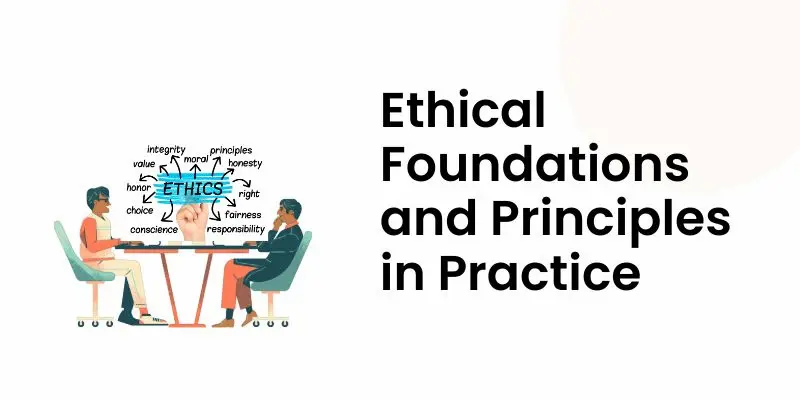
Ethical hacking stands on a foundation of trust, integrity, and responsibility. Unlike malicious hackers who exploit vulnerabilities for personal gain, ethical hackers follow strict moral and professional principles designed to protect society. Their goal is not to cause disruption, but to prevent it — to ensure that technology remains a safe and reliable part of our lives. Every ethical hacker operates under a simple but powerful philosophy: to not harm. This principle guides every action they take, from exploring system vulnerabilities to reporting potential threats. It’s what separates an ethical hacker from a cybercriminal — not just their skills, but their intentions and their accountability to society.
At the heart of ethical hacking lies responsibility. Before testing any system, an ethical hacker must have explicit permission from the owner. This concept of “authorized access” ensures that hacking activities remain lawful and transparent. Without consent, even well-intentioned testing can cross ethical and legal boundaries. Ethical hackers respect privacy and confidentiality at every step. When they discover weaknesses, they handle the information with care — disclosing it privately and securely to those responsible, never exposing it publicly or misusing it for personal advantage. This responsible disclosure builds trust between hackers and organizations, creating a cooperative relationship that strengthens cybersecurity for everyone.
Another key principle is honesty and integrity. Ethical hackers are expected to uphold truthfulness in reporting findings, no matter how minor or severe. They do not exaggerate vulnerabilities for attention or hide details that could protect users. Instead, they provide complete, factual reports to help organizations understand and resolve issues effectively. This honesty extends to professional conduct as well — ethical hackers must remain objective, avoid conflicts of interest, and prioritize the safety of users above profit or recognition. As emphasized by 0x1 Cyber Security Consulting, ethical hacking isn’t just a job; it’s a moral commitment to act transparently and responsibly in every engagement.
Respect for privacy and data protection is another cornerstone of ethical hacking. While testing systems, ethical hackers often access sensitive data, but they never misuse it or share it with unauthorized parties. They understand that behind every piece of data is a real person whose safety and trust depend on how securely that data is handled. Ethical hackers are trained to anonymize information, follow data protection laws like GDPR, and maintain strict confidentiality. This respect for privacy ensures that ethical hacking supports, rather than threatens, digital rights and freedoms.
Moreover, ethical hackers adhere to the principle of accountability. Every action they take is documented, traceable, and explainable. They operate under ethical guidelines defined by professional bodies such as the EC-Council (the organization behind the Certified Ethical Hacker certification) and comply with global cybersecurity standards. These frameworks emphasize lawful behavior, technical accuracy, and professional discretion. If mistakes occur, ethical hackers take responsibility and work to correct them — reinforcing the idea that ethical hacking is not about perfection but about continual improvement and integrity.
Commitment to social good is what elevates ethical hacking beyond standard cybersecurity practice. Modern ethical hackers see themselves as protectors of digital ecosystems. They defend not only organizations but also the public — ensuring that essential systems like healthcare, transportation, and education remain secure. In crises, they may even volunteer their expertise to help communities recover from cyberattacks or safeguard humanitarian data. According to the Institute of Data, this moral alignment with social responsibility is becoming the defining characteristic of the next generation of ethical hackers — professionals who see cybersecurity not just as a career but as a contribution to humanity.
Another emerging ethical guideline is transparency and collaboration. Ethical hackers often share their findings, tools, and knowledge within trusted communities to help others learn and improve. This open exchange builds collective resilience across the digital world. Instead of competing, ethical hackers cooperate to address shared threats — reflecting the belief that cybersecurity is a public responsibility, not a private advantage. Through responsible information-sharing, they help create safer environments for businesses, governments, and individuals alike.
Finally, ethical hacking relies heavily on continuous learning and humility. The field of cybersecurity evolves rapidly, and what is secure today may be vulnerable tomorrow. Ethical hackers must stay updated on new technologies, emerging threats, and evolving legal standards. They must also recognize the limits of their knowledge and avoid overstepping into areas where they lack expertise or authorization. This humility — knowing when to stop and when to seek help — is one of the most overlooked yet vital ethical qualities of a professional hacker.
In practice, these ethical foundations form a moral compass that guides hackers through the complex digital landscape. They balance freedom with responsibility, skill with restraint, and curiosity with care. Ethical hacking, when grounded in these principles, becomes more than a technical craft — it becomes an act of service. Every line of code tested, every vulnerability found, and every system secured contributes to a safer digital future. Ethical hackers prove that with the right intent, hacking can indeed be a force for protection, progress, and the greater good of society.
Key Domains Where Ethical Hacking Drives Social Good
Ethical hacking has evolved into a powerful tool for protecting the digital systems that shape modern society. Its impact reaches far beyond corporate networks and financial institutions — today, ethical hackers are actively defending systems that support everyday life, human rights, and social development. From securing e-governance platforms to helping non-profits protect sensitive data, ethical hacking now plays a crucial role in promoting transparency, safety, and digital inclusion across the globe. Each domain it touches reflects a new way technology can serve humanity responsibly.
One of the most significant areas where ethical hacking creates social good is e-governance. Governments around the world rely on digital platforms for tax systems, identity databases, healthcare records, and online public services. While this digital shift improves efficiency and accessibility, it also introduces serious security risks. A single breach could expose millions of citizens’ personal data or disrupt critical operations. Ethical hackers help governments identify and fix vulnerabilities before attackers can exploit them. They test election systems, public portals, and cloud-based records to ensure data integrity and transparency. In countries with developing cybersecurity frameworks, ethical hackers are often the first line of defense, ensuring that digital governance remains trustworthy and resilient.
Another domain that benefits immensely from ethical hacking is the non-profit and humanitarian sector. Many NGOs handle sensitive information — such as donor data, refugee records, or health reports — but lack the resources for advanced cybersecurity tools. Ethical hackers volunteer their skills to strengthen these organizations’ defenses, often through initiatives like CyberPeace Corps or Hack for Good programs. Their efforts protect vulnerable communities from exploitation, prevent the spread of misinformation, and safeguard humanitarian operations. For example, during global crises like the COVID-19 pandemic, ethical hackers worked with healthcare and aid organizations to secure donation portals and stop phishing scams targeting relief funds. Their contributions ensure that goodwill is not undermined by cybercrime.
The rise of civic technology — tools that improve citizen engagement and transparency — has also opened new opportunities for ethical hacking. Platforms that track public spending, allow citizens to report issues, or promote open government data depend on strong cybersecurity to maintain credibility. Ethical hackers collaborate with civic tech developers to ensure that these platforms remain secure and accessible. By doing so, they help protect democracy in the digital era. When citizens can safely access and trust government data, civic participation thrives. Ethical hacking, therefore, plays a quiet but essential role in supporting democratic values and open governance.
Public infrastructure is another critical domain where ethical hacking has life-saving implications. Power grids, water systems, transportation networks, and communication lines are now heavily digitized. A cyberattack on these infrastructures can cause chaos — from power outages to public safety risks. Ethical hackers test these systems for weaknesses that could be exploited by hostile actors. They simulate attacks on industrial control systems to detect vulnerabilities in time and advise authorities on how to strengthen their defenses. In many countries, ethical hackers collaborate directly with national cybersecurity agencies to safeguard critical infrastructure. Their work ensures that cities, hospitals, and utilities continue functioning even under digital threats.
In the realm of education and research, ethical hacking helps protect academic institutions from data theft and intellectual property breaches. Universities and research labs often hold valuable information that can be targeted by cybercriminals or rival organizations. Ethical hackers secure student data, prevent ransomware attacks, and protect innovation projects from espionage. Some even run educational programs and cybersecurity boot camps to train students in safe digital practices, building a generation of more security-aware professionals. By spreading cybersecurity awareness through education, ethical hacking contributes to a more informed and resilient society.
Another vital area is open data and digital inclusion. Ethical hackers advocate for technologies that are safe, transparent, and accessible to everyone — not just those with resources. They help assess the security of open data platforms, ensuring that publicly shared information remains authentic and tamper-proof. Moreover, they work to protect marginalized communities from cyber exploitation. In rural areas or low-income regions where digital literacy is still growing, ethical hackers promote safe internet use and help local groups implement basic protection measures. Their efforts reduce the digital divide and enable fair participation in the global digital economy.
The field of healthcare is also a major focus of ethical hacking for social good. With hospitals increasingly reliant on digital records, connected devices, and telemedicine, cybersecurity is directly tied to patient safety. Ethical hackers identify vulnerabilities in medical software, patient databases, and hospital networks to prevent life-threatening breaches. They ensure that sensitive health data remains confidential and that medical devices cannot be hijacked remotely. For example, penetration testing in smart medical equipment helps detect flaws before they can be exploited, protecting both patients and practitioners.
Beyond these sectors, ethical hackers are making contributions in environmental and disaster management technologies as well. Systems that monitor air quality, water levels, and emergency alerts depend on reliable data and continuous connectivity. Ethical hackers test and secure these systems to prevent manipulation or outages that could mislead disaster response efforts. Their work helps ensure that environmental data remains accurate — a small but crucial factor in fighting climate change and coordinating humanitarian aid.
The impact of ethical hacking across these domains proves one thing: cybersecurity is no longer just a technical issue — it’s a social one. Every secure database, every protected citizen portal, and every defended infrastructure contributes to the well-being of society. As highlighted by the Institute of Data and 0x1 Cyber Security Consulting, ethical hacking’s true value lies in its ability to protect the public good. It bridges the gap between technology and humanity, ensuring that innovation serves people safely and ethically.
Ultimately, ethical hacking has become a cornerstone of digital progress. It protects not just machines, but human lives and values. Whether it’s enabling safe voting, protecting personal data, or supporting humanitarian causes, ethical hacking shows that technology, when guided by ethics, can empower rather than endanger. The more society embraces these practices, the closer we come to a future where digital transformation and social good go hand in hand — secure, inclusive, and fair for all.
How Ethical Hackers Work: Methodologies and Collaboration
Ethical hacking is a clear, step-by-step job — but done with care, rules, and teamwork. Below, I’ll break the common process into simple stages and show how ethical hackers work with companies, governments, and civic groups. Short sentences. Easy words. No boring jargon.
1. Get permission first
Ethical hacking always starts with a yes. The hacker must have written permission from the owner of the system. Without that, it’s illegal. This keeps the work safe and trusted.
2. Reconnaissance — learning quietly
This is the “look around” stage. Hackers collect public info about the target. They check websites, public records, job posts, and internet footprints. The goal is to map the landscape: what tech is used, where the weak spots might be, and what attackers might try. It’s like scouting a building before fixing its locks.
3. Scanning and enumeration — finding the doors
Next comes active scanning. Hackers use tools to see open ports, running services, and visible software versions. They list accounts, services, and entry points. This helps them focus on the test. Think of it as checking which doors and windows are unlocked.
4. Vulnerability discovery — testing the weak points
Now they attempt safe tests to find real vulnerabilities. This can include simulated attacks, trying default passwords, testing input fields, or checking configurations. Ethical hackers do this carefully so they don’t break things. Each finding is recorded with exact steps to reproduce it.
5. Exploitation (controlled) — proving the problem
Sometimes hackers will exploit a flaw in a controlled way to show it can be abused. They always limit damage and stop before any real harm happens. The purpose is to prove the risk so the owner takes it seriously.
6. Post-exploit analysis — measure the impact
After a successful test, ethical hackers evaluate what an attacker could reach. Could they get user data? Shut down services? This helps prioritize fixes. The more critical the impact, the faster it should be fixed.
7. Reporting — clear, practical, and prioritized
A good report matters more than the hack itself. Ethical hackers write plain reports. They explain what they did, what they found, and how to fix it. They include steps to reproduce the issue and suggested patches or configuration changes. Reports also rank findings: critical, high, medium, low.
8. Mitigation and verification — patch and check
Once fixes are applied, ethical hackers re-test the system. They confirm the fixes work and that no new problems have appeared. This closes the loop and proves the risk is handled.
9. Continuous improvement — lessons learned
Good teams treat each engagement as a learning chance. They update policies, train staff, and add monitoring. That reduces the chance that the same issue returns.
How They Collaborate With Others
Ethical hackers don’t work alone. Their power comes from teamwork.
With organizations (businesses & NGOs):
- They run scheduled penetration tests and surprise drills.
- They help set secure development practices (DevSecOps).
- They train staff on phishing and safe habits.
- They help build incident response plans so the org can act fast when real attacks happen.
With governments and public agencies:
- They test public portals, voting systems, and critical infrastructure.
- They share threat intelligence (patterns of attacks) to raise national defense.
- They help set security standards and laws that protect citizens’ data.
With civic tech and community groups:
- They support open-source projects and civic platforms with free or low-cost audits.
- They run hackathons and “red team” events to build local skills.
- They help small groups and charities that lack budgets for security.
With bug bounty programs and platforms:
- Companies open controlled programs that pay hackers for finding bugs.
- This creates a safe channel for vulnerability disclosure.
- It turns independent researchers into allies, not threats.
With other hackers and the security community:
- Ethical hackers share tools, writeups, and defenses in trusted circles.
- They mentor newcomers and build secure communities.
- Shared knowledge makes everyone stronger.
Simple rules that make collaboration work
- Always get written permission.
- Agree on rules before testing (scope, timing, no-destruction).
- Keep communication open and honest.
- Use safe disclosure paths — don’t post flaws publicly until fixed.
- Prioritize people’s safety and privacy above all.
Case Studies: Ethical Hacking Creating Real-World Social Value
Ethical hacking is no longer limited to testing corporate systems or preventing online fraud — it’s now being used to make the world a safer, fairer, and more connected place. Across the globe, skilled hackers are stepping up to solve real problems that affect millions of lives. Their work touches nearly every area of society — from hospitals and schools to disaster zones and even human rights campaigns. Let’s look at some inspiring real-world examples where ethical hacking has created genuine social value and protected communities through technology.
One of the most powerful examples comes from the healthcare industry. In 2017, when the WannaCry ransomware attack shut down hospitals in over 150 countries, ethical hackers worked around the clock to stop its spread. They reverse-engineered the malware, found a hidden “kill switch,” and helped restore systems before even more damage could occur. This act of digital heroism saved countless lives by ensuring hospitals could continue treating patients. Since then, ethical hackers have continued to help medical institutions identify weak points in their digital systems, preventing future attacks on sensitive patient data and life-saving equipment.
Another incredible example is from education. Many schools and universities around the world have outdated or poorly secured online systems. In countries like India and Kenya, ethical hackers have partnered with local governments and NGOs to strengthen cybersecurity in digital learning platforms. By securing student information, online attendance systems, and e-learning portals, these hackers have helped ensure that education remains safe and accessible — especially for children in underprivileged communities who depend on free digital learning tools.
Ethical hacking also plays a critical role in disaster response. During natural disasters, communication systems often collapse or become targets for cybercriminals spreading misinformation. In 2020, after a major earthquake in Croatia, volunteer ethical hackers from Europe formed a “digital emergency team.” They helped rebuild online communication networks for emergency services, verified crisis information, and set up safe data channels for coordination. This collaboration between civic technologists, NGOs, and hackers showed how digital expertise can save lives just as effectively as on-ground aid.
Human rights organizations also rely heavily on ethical hackers. For instance, in countries where activists or journalists are targeted by government surveillance or spyware, ethical hackers help detect and neutralize such threats. Groups like Amnesty International’s Security Lab work with independent hackers to analyze phones and computers for traces of Pegasus and similar spyware. Their efforts have exposed illegal surveillance campaigns and protected hundreds of people who speak up for freedom, equality, and justice. This demonstrates how ethical hacking directly supports democracy and human rights across the world.
Community safety is another area where hackers are making a real difference. In the U.S. and parts of Europe, “hackathons for good” bring together volunteers who test the security of public safety systems — like emergency alert apps or city data dashboards — to ensure they can’t be manipulated. One such event in Chicago, supported by CivicTechHub, revealed flaws in the city’s public alert system that could have been used to spread false emergency notifications. The city fixed the problem within weeks, thanks to the transparent and cooperative nature of ethical hacking.
All these stories show that ethical hacking isn’t just about coding or finding bugs — it’s about protecting people and improving lives. These professionals use their skills not for profit or fame, but to create social impact. Whether it’s defending hospitals, protecting journalists, ensuring students’ privacy, or rebuilding communication lines after disasters, ethical hackers remind us that technology can be a force for good. Their work proves that in today’s interconnected world, doing the right thing in cyberspace can lead to real-world change, making digital ethics just as important as digital skills.
Challenges and Risks in Using Ethical Hacking for Social Good
While ethical hacking can bring incredible benefits to society — from saving lives to protecting data — it also comes with real challenges and risks that must be handled with care. Doing good in the digital world is not always as straightforward as it seems. Ethical hackers often find themselves walking a fine line between what is right, what is legal, and what is practical. When working with governments, NGOs, or communities, even the best intentions can lead to difficult situations. Understanding these risks helps ensure that ethical hacking continues to build trust and not fear in society.
One of the biggest challenges is defining legal and ethical boundaries. In many countries, hacking — even when done ethically — still exists in a legal gray area. For example, if a hacker tests a system’s defenses without formal permission, it could be considered a criminal act under local law, even if the goal was to prevent harm. Different countries have different rules for what counts as “authorized testing.” This inconsistency makes it risky for ethical hackers to operate freely across borders. Without clear frameworks or global standards, they must constantly balance between being helpful and potentially being accused of wrongdoing.
Consent is another tricky issue. Ethical hackers usually work with the permission of the system’s owner, but in some cases — like protecting vulnerable communities or exposing a public threat — getting consent isn’t always possible. For example, if hackers find a data leak in a government site that contains citizens’ personal information, should they wait for permission to fix it or report it immediately? Acting without consent might be viewed as breaking the law, while waiting could lead to greater harm. This moral dilemma shows that even “good hacking” isn’t free from ethical tension.
There’s also the risk of unintended harm. Despite good intentions, an ethical hacker’s work can sometimes cause disruption. For instance, testing a live system might accidentally crash it, leading to downtime or data loss. A small mistake during penetration testing could affect thousands of users or delay vital public services. In humanitarian or healthcare settings, these disruptions can have real-world consequences. That’s why professional training, careful planning, and strong ethical guidelines are essential in this field.
Resource constraints also pose a serious challenge. Many non-profits, schools, or civic projects that could benefit from ethical hacking don’t have the funds to hire experts. Volunteer hackers and “hackathons for good” try to fill the gap, but the scale of cyber threats often exceeds what small teams can handle. Without proper funding and tools, it becomes difficult to perform thorough security audits, continuous monitoring, or follow-up fixes — all of which are critical for long-term impact.
Another major challenge is trust and accountability. Ethical hackers need to build and maintain trust with the organizations and communities they help. However, public perception of the word “hacker” is often negative — people still associate it with cybercrime. This misunderstanding can lead to hesitation from institutions that might otherwise benefit from ethical hacking. Additionally, if a hacker accidentally mishandles data or fails to communicate clearly, it can damage credibility for the entire ethical hacking community. Transparency, proper documentation, and strong codes of conduct are therefore crucial for maintaining accountability.
Lastly, the emotional and ethical pressure faced by hackers can’t be ignored. Many ethical hackers work in high-stakes situations — investigating human rights abuses, responding to cyberattacks, or defending critical systems. They often deal with sensitive information that could endanger lives if mishandled. Balancing moral duty with professional responsibility can be mentally and emotionally challenging, especially when the outcomes aren’t always clear-cut.
In short, while ethical hacking holds great power for social good, it’s not without complications. Legal ambiguity, lack of consent, limited resources, and trust issues can turn good intentions into complex dilemmas. Yet, these challenges also highlight the need for stronger frameworks, clearer global policies, and better education around ethical cybersecurity. By addressing these risks openly and responsibly, we can ensure that ethical hacking continues to protect, empower, and uplift societies — safely and effectively.
Tools & Skills for Social-Impact Ethical Hackers
Being an ethical hacker who wants to help people needs two things: the right tools and the right habits. You need sharp technical skills to find problems. You also need soft skills to work with people and protect communities. Below, I’ll explain both in plain words and list the common tools and frameworks that actually get the job done.
Start with the basics. Know networks, operating systems, and how the web works. Learn some programming — even small scripts help a lot. Learn how data moves. Learn how services talk to each other. These basics let you spot where things can break. Many frameworks and guides (like OWASP, PTES, and NIST) show how tests should be run step by step. Use them. They keep your work safe and clear. Key technical skills:
- Reconnaissance & scanning. Find what’s visible before testing. Tools like Nmap help you see open doors and services.
- Web app testing. Know how input fields, sessions, and APIs can be abused. Use tools to probe web apps.
- Network analysis. Packet capture and inspection reveal bad traffic or leaks. Wireshark is a go-to tool.
- Exploit testing & proof-of-concepts. Use frameworks that safely demonstrate an issue, like Metasploit, for controlled tests.
- Password and authentication testing. Know how weak passwords and misconfigured auth work. Tools like John the Ripper and Hashcat are common.
- Wireless & IoT testing. Many social systems use cheap devices. Aircrack-ng and similar suites help test these.
- Automated scanners. Burp Suite, OWASP ZAP, and sqlmap speed up finding common web flaws.
These tools are widely used by pros and community volunteers alike. They cover the most common tests and help you move fast without breaking things.
Important frameworks and standards:
- OWASP for web app testing and checklists.
- PTES, NIST SP 800-115, OSSTMM for structured testing and reporting.
- MITRE ATT&CK for mapping attacker behavior and improving defenses.
These give you a repeatable plan. They help teams speak the same language and make results trusted by organizations.
Soft skills that matter just as much:
- Communication. You must explain risks in simple words. Reports should be short and practical.
- Empathy and ethics. You work with real people. Protect their privacy and dignity.
- Teamwork. You’ll work with developers, managers, and sometimes volunteers. Be patient.
- Problem-solving and curiosity. Good hackers are good detectives. They follow clues.
- Project and time management. Social projects often have limited time and money. Deliver clear, prioritized fixes.
These soft skills make technical work useful. They turn a list of bugs into real protection for people and services.
How to use tools responsibly for social good:
- Always follow a recognized methodology. It reduces accidental harm.
- Keep tests in scope and get written permission.
- Use staging systems when possible. Test live systems only with extreme care.
- Prioritize fixes that protect people first (patient data, children’s accounts, emergency services).
- Share findings with the right teams and use safe disclosure channels. Public posts come only after fixes.
Training and learning paths:
- Practice in safe labs and CTFs. Kali Linux is a popular learning environment with many built-in tools.
- Get hands-on with guided frameworks (OWASP testing guide, NIST SP 800-115).
- Join local civic tech groups or volunteer at security clinics. Real community work teaches constraints and priorities you won’t learn in a lab.
In short: master a small set of reliable tools (Nmap, Wireshark, Burp, Metasploit, a few password tools). Pair those with methodical frameworks (OWASP, PTES, NIST) and strong people skills. That combo makes ethical hackers effective — not just at finding bugs, but at protecting people, fixing problems fast, and building trust in projects that serve the public.
Governance, Policy & Legal Frameworks Supporting Social-Impact Hacking
Ethical hacking for social good can only succeed when it operates within strong governance, clear laws, and transparent policies. Without proper rules and legal protection, even the most well-intentioned hackers can face serious trouble. For hacking to truly serve public benefit, governments, organizations, and communities must create systems that allow security testing to happen safely — with permission, accountability, and trust.
At its core, governance means setting fair boundaries and responsibilities for everyone involved. This includes defining what ethical hackers can do, how they should report vulnerabilities, and how organizations should respond. When governments and institutions establish open policies that welcome responsible disclosure, they encourage hackers to help instead of hiding their findings. Many countries and agencies are now adopting “coordinated vulnerability disclosure” (CVD) frameworks — official programs that let hackers report security issues without fear of legal action. This governance model helps create a bridge between independent hackers and public institutions.
One strong example of supportive governance is the “bug bounty” or “vulnerability disclosure” policy (VDP) trend. Governments in the U.S., the Netherlands, and Singapore have launched public programs where ethical hackers can legally test government websites and earn recognition or small rewards. These programs prove that with the right policy in place, hackers can become trusted partners in strengthening national cybersecurity. The U.S. Department of Defense’s “Hack the Pentagon” program and the European Commission’s VDP are both real-world cases showing that collaboration works when backed by law and trust.
But policy goes beyond just bug bounties. Organizations — especially NGOs, schools, and civic tech groups — need their own internal security policies that define ethical hacking’s role. This means having written rules about who can test systems, what tools can be used, and how results must be handled. Clear internal guidelines prevent misunderstandings and protect both the hacker and the organization. For example, a non-profit handling health data might have a policy stating that all testing must follow HIPAA privacy rules or equivalent data-protection laws.
The legal frameworks surrounding ethical hacking are still evolving globally. In many regions, hacking laws like the Computer Fraud and Abuse Act (CFAA) in the U.S. or the Computer Misuse Act in the U.K. were originally designed to stop cybercrime, not to protect those doing good. As a result, ethical hackers sometimes risk punishment for uncovering vulnerabilities, even when they help. This is why updates and reforms are needed to make legal boundaries clearer. Many cybersecurity experts and human rights advocates are calling for “safe harbor” laws — legal protections for hackers acting in the public interest, as long as they follow disclosure protocols responsibly.
Another key aspect is ethical codes of conduct. Frameworks like the EC-Council’s Code of Ethics for Certified Ethical Hackers or the (ISC² ² Code of Professional Ethics emphasize honesty, respect for privacy, and public good. These standards remind hackers that their power comes with responsibility. Following these professional ethics helps maintain trust between hackers, governments, and the public. When everyone shares the same moral ground, collaboration becomes smoother and safer.
Transparency and accountability also play a big role. Legal and policy frameworks should require that all testing activities be documented and reported properly. This ensures that hacking projects aimed at social good are auditable and traceable — not secretive or suspicious. Public reporting can even boost community confidence, showing that ethical hacking isn’t about breaking systems but about fixing them for everyone’s benefit.
Still, challenges remain. Many countries lack clear guidelines, and in some regions, hacking is criminalized outright, even when done ethically. International collaboration is difficult because laws vary from one nation to another. Building global standards — possibly under the guidance of the United Nations or international cybersecurity alliances — could make cross-border social-impact hacking safer and more unified.
In conclusion, governance, policy, and legal frameworks are the backbone of ethical hacking for social good. Without them, even the most skilled hacker can face risk or distrust. But when laws, ethics, and organizational rules align, hacking becomes a tool for progress — empowering experts to protect public systems, expose weaknesses before criminals do, and build a more secure digital world for everyone. Governments, policymakers, and civic groups must continue refining these frameworks so that doing the right thing in cyberspace is always safe, respected, and encouraged.
Scaling and Sustaining Ethical Hacking for Social Good
Ethical hacking for social good often begins as small, passionate efforts — one hacker finding a vulnerability in a public site, a group of volunteers fixing flaws for a non-profit, or students organizing a hackathon to improve digital safety. But for real, lasting impact, these isolated projects must grow into sustainable programs that operate continuously, not just when inspiration strikes. Scaling and sustaining ethical hacking means building systems, communities, and resources that make it a long-term movement rather than a one-time act.
The first step toward sustainability is stable funding. Most social-impact hacking projects rely on volunteers, but without consistent support, even the best ideas fade quickly. Sustainable ethical hacking needs funding models that keep both people and infrastructure running. Governments, private companies, and international organizations can all play a role here. For example, tech giants like Google, Microsoft, and Meta already fund public bug bounty programs that help protect the internet. Similar models can be used for social projects — imagine dedicated grants for cybersecurity in hospitals, schools, or NGOs.
Public–private partnerships are one of the strongest ways to ensure continuity. Governments can team up with tech firms, cybersecurity startups, and universities to fund ethical hacking initiatives focused on critical services — like election systems, digital identity platforms, or disaster-response networks. These partnerships help balance expertise with real-world needs. When private and public sectors share responsibility, hacking for social good stops being a side project and becomes part of a nation’s digital resilience plan.
Another vital factor in scaling is community building. Ethical hacking thrives in networks — groups of people who share tools, skills, and experiences. Building communities around social-impact hacking creates a support system for collaboration, mentorship, and innovation. Online spaces like GitHub, HackerOne, and Open Bug Bounty already connect hackers with global challenges, but local and regional communities are equally important. For example, community-driven cybersecurity initiatives in Africa and Southeast Asia have trained thousands of youth to protect public systems while earning legitimate income. Such communities don’t just produce skilled hackers — they also create awareness about the importance of ethical digital behavior.
Open collaboration is another pillar of sustainability. Ethical hacking for social good aligns naturally with open-source principles: transparency, sharing, and collective improvement. Open frameworks allow hackers to work together on solving problems that matter to everyone — like protecting public health data or improving access to digital education. Projects like OpenSSF (Open Source Security Foundation) show how shared resources and open tools can raise security standards worldwide. Similarly, open reporting systems and data-sharing platforms help civic hackers identify risks before they turn into crises.
To make these efforts measurable and credible, impact metrics are crucial. Governments and organizations need to track what these programs achieve: How many vulnerabilities were fixed? How many people gained digital safety training? How much money or data was saved by proactive security measures? Metrics not only prove value but also attract more funding and public trust. Without clear results, social-impact hacking risks being seen as just “nice to have” rather than essential. Metrics like “vulnerabilities patched per year,” “critical systems protected,” or “number of trained volunteers” can help quantify progress.
One often-overlooked part of scaling is education and capacity-building. Ethical hacking should be taught early — not just as a technical skill, but as a mindset of responsibility and digital citizenship. Schools, universities, and coding academies can create courses focused on “hacking for good,” combining ethics, law, and technology. This builds a pipeline of future hackers who already understand how to use their skills responsibly. Partnering with institutes like the Institute of Data or community-based cyber training centers can multiply impact across generations.
To sustain these programs over time, recognition and incentives also matter. Hackers should feel that their work for social good is valued — not just financially, but socially. Certification programs, awards, or inclusion in national cybersecurity missions can encourage continued participation. Platforms like Cyber Security Consulting 0x1 and Institute of Data can lead the way by offering mentorship and career paths that merge ethical hacking with public-interest technology.
Finally, true sustainability comes from policy support and integration. Ethical hacking must be embedded into official digital development strategies, not treated as an afterthought. Governments could mandate annual security audits by certified ethical hackers for public websites, much like financial audits. NGOs and civic tech projects could reserve part of their budgets for ongoing security checks. When ethical hacking becomes part of the system’s DNA, rather than a reaction to problems, its benefits multiply over time.
In summary, scaling and sustaining ethical hacking for social good requires a mix of funding, collaboration, community, education, metrics, and policy support. The goal is to move from short-term fixes to long-term resilience. In this world, every school, hospital, NGO, and government portal is continuously protected by ethical hackers who care about people, not profit. When society treats hacking as a public service, not a crime, we can build a safer, more inclusive digital future — one hack for good at a time.
What the Future Holds: Trends and Innovations
The world of ethical hacking is moving fast — and the future looks more connected, intelligent, and impactful than ever. As technology grows more complex, so do the opportunities for hackers who want to use their skills for good. From AI-driven tools that make security testing faster to community-led hacker networks tackling social challenges, the next decade of ethical hacking will be defined by innovation, collaboration, and purpose. The focus is shifting from simply protecting systems to empowering societies through technology.
One of the biggest changes coming is the use of Artificial Intelligence (AI) and machine learning in penetration testing. Traditional ethical hacking takes time — scanning systems, analyzing vulnerabilities, and testing defenses manually. With AI, much of that work can now be automated. Smart systems can learn from past attacks, predict weaknesses, and even simulate hacker behavior in real time. AI-based tools like Darktrace or Pentera are already helping ethical hackers detect threats faster than humans alone could. In the future, ethical hackers won’t just rely on scripts — they’ll train intelligent assistants to uncover issues in massive systems that would be impossible to test manually. This means faster responses to cyber threats and greater protection for public institutions, hospitals, and civic platforms.
However, AI won’t replace ethical hackers — it will amplify their abilities. The human side of ethical hacking — judgment, empathy, and ethics — can’t be automated. Instead, AI will take over repetitive scanning tasks, freeing hackers to focus on critical analysis and strategy. We’ll likely see hybrid teams where AI tools and ethical hackers work side by side, identifying not just vulnerabilities, but patterns of behavior that can predict attacks before they happen.
Another major trend is the rise of IoT (Internet of Things) and OT (Operational Technology) vulnerability hunting, especially for critical infrastructure. As everything from traffic lights to hospital equipment and water systems becomes connected to the internet, the risks multiply. Ethical hackers will play a crucial role in testing and securing these systems before attackers exploit them. For instance, finding weaknesses in smart city networks or energy grids can literally prevent disasters. This shift from testing websites to protecting physical systems marks a powerful new direction for hacking — one that directly safeguards communities and human lives.
We’re also witnessing the growth of grassroots hacker communities that are focusing on social good rather than profit. Across the world, groups of students, civic technologists, and volunteers are coming together to solve local problems with hacking. They’re securing community Wi-Fi networks, protecting activist groups from cyberattacks, and building safer digital tools for people in crisis zones. These “hacker for humanity” movements are changing the public perception of hacking from something secretive to something socially valuable. Community-driven initiatives, like “Hackers Without Borders” or regional civic hackathons, are spreading awareness that digital defense is a shared responsibility — not just a corporate job.
In the coming years, we can expect to see more global collaboration platforms dedicated to social-impact hacking. Open-source projects will continue to dominate, allowing ethical hackers worldwide to contribute code, share vulnerabilities, and co-create security tools. Blockchain technology may even be used to record and verify responsible disclosures, ensuring transparency and accountability in the hacking process.

The future will also bring new ethical and legal challenges. As hackers gain access to more advanced AI tools and wider global networks, governance frameworks will need to evolve. Laws must protect hackers who act in good faith while ensuring that AI-driven testing remains ethical and controlled. International cooperation will be key — because cyber threats don’t stop at borders, and neither should the efforts to fight them.
Education will play a huge role too. We’re likely to see ethical hacking integrated into mainstream education, not just in tech schools but in social sciences, law, and public administration. This interdisciplinary approach will help bridge the gap between technology and policy, creating professionals who understand both the technical and ethical sides of cybersecurity.
Finally, the future of social-impact hacking lies in sustainability. Instead of one-time bug hunts, we’ll see long-term programs embedded into government and NGO operations. Ethical hackers will become essential partners in digital transformation — making sure that progress doesn’t come at the cost of safety.
In short, the next phase of ethical hacking isn’t about breaking systems — it’s about building trust. AI-powered tools, IoT security testing, global hacker communities, and policy evolution will turn hacking into a public service profession — one that protects people, not just data. The world will always need hackers — but in the future, we’ll need more ethical ones who use their curiosity and skills to make the internet, and society itself, safer for everyone.
Conclusion
Ethical hacking for social good proves that technology doesn’t just have the power to disrupt — it also has the power to protect and uplift. What began as a misunderstood skill has evolved into a global movement that strengthens digital trust, secures vital systems, and empowers communities. From AI-driven security innovations to grassroots hacker collectives, ethical hackers are becoming silent guardians of our connected world. But for this movement to truly thrive, we must keep supporting it — through fair laws, open collaboration, continuous learning, and strong moral values. In the end, hacking for social good isn’t about breaking into systems — it’s about breaking barriers, defending the vulnerable, and using knowledge as a force for positive change in the digital age.
FAQs
Yes, ethical hacking is considered a force for good when done responsibly and legally. It helps organizations identify and fix weaknesses in their systems before malicious hackers can exploit them. Ethical hackers act as “digital guardians,” protecting users’ data, online services, and national infrastructure from potential cyber threats. Their work builds digital trust and contributes to safer technology for society.
Yes, hacking can be a significant social issue when done maliciously. Cyberattacks affect millions of people through data breaches, financial losses, and privacy violations. However, ethical hacking addresses this issue by promoting cybersecurity awareness and developing defense strategies. By turning hacking skills toward social good, the same tools once used for harm are now used to strengthen digital resilience and protect communities.
Ethical hacking is the authorized practice of testing and securing computer systems. For example, a company may hire an ethical hacker to find weaknesses in its online payment system before a criminal does. A real-world example is the “Hack for Good” initiatives, where hackers voluntarily test government or nonprofit websites to improve their security and prevent breaches.
Yes, ethical hackers are paid professionals and can earn competitive salaries. Entry-level ethical hackers typically earn around $60,000–$80,000 per year, while experienced professionals or certified experts can make over $120,000 annually. Their income often depends on certifications, experience, and the complexity of the systems they protect. Some even earn bonuses through bug bounty programs.
Ethical hacking is vital because it helps protect citizens and organizations from cybercrime. By finding vulnerabilities early, ethical hackers prevent large-scale attacks on hospitals, banks, and public services. This proactive defense not only saves money but also ensures public trust in technology and digital systems.
The main goal of ethical hacking is to identify, understand, and fix security flaws before attackers can exploit them. Ethical hackers think like cybercriminals but act responsibly, helping organizations strengthen their defenses and comply with cybersecurity standards.
Anyone with a strong interest in computers, coding, and cybersecurity can become an ethical hacker. It requires both technical knowledge — like programming, networking, and cryptography — and soft skills such as critical thinking and integrity. Many professionals earn certifications such as CEH or OSCP to prove their expertise.
The main types include network hacking, web application hacking, wireless security testing, social engineering, and system hacking. Each focuses on different aspects of cybersecurity, but all share the same purpose — finding vulnerabilities to make systems safer.
Yes, many successful ethical hackers are self-taught. With access to online courses, labs, and open-source tools, anyone can practice hacking legally in safe environments. However, to work professionally, gaining certifications and following ethical guidelines is essential.
Ethical hacking is done with permission, transparency, and the goal of improving security. Illegal hacking, on the other hand, is performed without consent and often for personal gain or harm. The difference lies in intent, authorization, and legality — one protects systems, the other exploits them.





- Be Respectful
- Stay Relevant
- Stay Positive
- True Feedback
- Encourage Discussion
- Avoid Spamming
- No Fake News
- Don't Copy-Paste
- No Personal Attacks
- Be Respectful
- Stay Relevant
- Stay Positive
- True Feedback
- Encourage Discussion
- Avoid Spamming
- No Fake News
- Don't Copy-Paste
- No Personal Attacks
