The Future of Freelancing – How AI, Skills, and Global Trends Are Redefining Work in 2030
Published: 10 Oct 2025
The Future of Freelancing isn’t just a trend — it’s transforming how the world works. Millions now choose freedom over 9-to-5 jobs, powered by AI tools, global platforms, and flexible lifestyles. From tech experts to creative minds, professionals everywhere are redefining what “career” means.
As The Future of Freelancing unfolds, it promises even smarter tools, wider global opportunities, and limitless growth. Let’s explore what’s coming next — and how you can stay ahead in this ever-evolving world of work.
1. From Side Hustles to Sustainable Careers
Freelancing has come a long way from being just a side hustle. What once started as a way to earn a little extra income is now a full-time career for millions of people around the world. With the rise of digital platforms like Upwork, Fiverr, and Toptal, talented individuals can now find work that matches their skills, interests, and goals.
Today, freelancers are not just workers — they are business owners. Many build personal brands, manage clients, and deliver professional results just like traditional companies. This shift has created a new class of independent professionals who control their time, choose their projects, and set their own income goals.

Companies are also recognizing the value of freelancers. Instead of hiring full-time employees for every role, businesses now prefer flexible talent who can handle specialized tasks. This change has opened endless opportunities for people who want freedom, flexibility, and financial growth.
Freelancing is no longer seen as unstable or uncertain — it’s now a respected, long-term career path that rewards skill, creativity, and self-discipline.
2. The Digital Transformation: How Technology Fuels Freelance Growth
Technology has completely changed the way freelancers work and connect with clients. What once required personal meetings or long email chains can now be done with a few clicks. Platforms like Upwork, Freelancer, and Fiverr make it simple to find projects, showcase skills, and get paid safely — all in one place. With the rise of Ethical AI for Businesses, freelancers are now using responsible AI tools to automate tasks, boost productivity, and maintain trust with clients across industries.
Cloud-based tools have made remote work smooth and fast. Freelancers can now collaborate with clients from any part of the world using apps like Google Workspace, Trello, or Slack. File sharing, video meetings, and real-time feedback happen instantly, making teamwork easier than ever.
Automation has also become a big advantage. Tools powered by AI help freelancers manage time, send invoices, track payments, and even create content or designs faster. This means more time for creativity and less time spent on repetitive tasks.
Thanks to technology, freelancing is no longer limited by location, language, or time zones. Anyone with talent and internet access can build a successful freelance business from anywhere in the world.
3. The AI Impact Game-Changer for Freelancers
Artificial Intelligence (AI) is changing freelancing faster than ever before. It’s helping freelancers work smarter, find better clients, and deliver projects with more speed and accuracy. Tools like ChatGPT, Jasper, and Canva’s AI features are making tasks like writing, design, and research easier and faster.
AI also helps freelancers match with the right projects. Many freelance platforms now use smart algorithms that connect clients and freelancers based on skills, budget, and past performance. This saves time and increases the chances of landing high-quality work.
However, AI isn’t just about opportunities — it also brings challenges. Some basic tasks, like simple writing or data entry, are now being automated. This means freelancers must keep improving and focus on skills that require creativity, problem-solving, and human touch — things AI can’t fully replace.
Overall, AI is not here to take away freelance jobs but to transform them. Those who learn how to use AI tools will save time, boost earnings, and stay ahead in the fast-changing digital world.
4. Specialized Skills: The Key to Standing Out
In today’s freelance world, being a generalist is no longer enough. Clients are now looking for freelancers who have deep expertise in a specific field. Specialized skills show that you understand complex problems and can deliver high-quality results faster than someone with only basic knowledge.
Niche skills not only attract more clients but also higher pay. For example, freelancers who focus on areas like AI-driven content creation, cybersecurity, UX/UI design, web development, and data analytics are in high demand. These are the skills that help businesses stay competitive in the digital age.
By becoming an expert in one strong area, freelancers build trust and stand out from the crowd. It also makes marketing easier — when clients know exactly what you’re great at, they’re more likely to hire you for top-tier projects.
The key to success is simple: pick your niche, master it, and keep learning. The more specialized your skill set, the more valuable you become in the growing freelance market.
5. Global Reach Freelancing Without Borders
Freelancing has removed all limits of location. Today, a designer in Pakistan can work with a startup in the USA, and a developer in India can collaborate with a company in Europe — all from home. The world has truly become one big workspace.
Global platforms like Upwork, Fiverr, and Toptal make it easy for clients to find talent anywhere, anytime. This global connection allows businesses to access top skills without worrying about distance or time zones. It also means freelancers can earn in stronger currencies and get paid fairly for their talent.
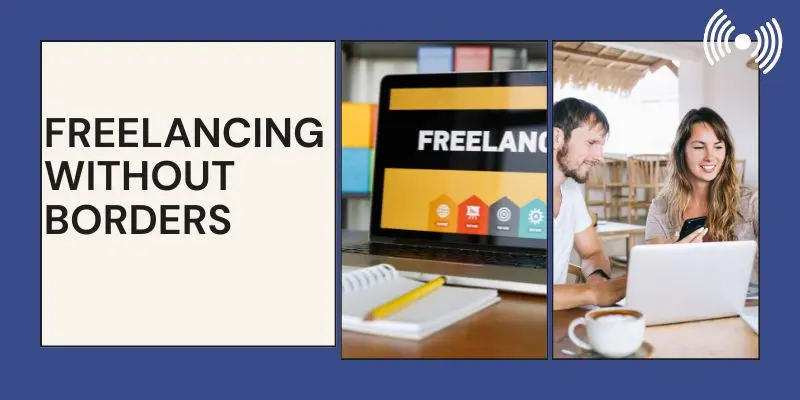
Cross-country teamwork has become the new normal. While one freelancer sleeps, another in a different time zone keeps the project moving — creating 24/7 productivity that companies love.
This globalization has also raised pay for skilled remote workers. Those who deliver quality work, communicate well, and meet deadlines can now compete on a global stage and earn much more than before.
Freelancing is no longer local — it’s global, borderless, and full of opportunities for anyone ready to connect with the world.
6. The Power of Soft Skills
Technical skills can get you noticed — but soft skills are what keep clients coming back. In freelancing, how you communicate, manage time, and solve problems often matters as much as the quality of your work.
Strong communication skills help you understand client needs, share ideas clearly, and avoid misunderstandings. A freelancer who listens well and gives regular updates builds trust faster — and trusted freelancers always get repeat projects.
Adaptability is another key soft skill. The freelance world changes quickly, with new tools, trends, and client expectations. Freelancers who stay flexible and open to learning can handle any project, no matter the challenge.
And then there’s creativity — the skill that makes your work stand out. Whether you’re writing, designing, coding, or marketing, creative thinking helps you deliver unique solutions that impress clients.
Freelancers who combine strong soft skills with technical expertise don’t just complete tasks — they build long-term relationships. This leads to higher ratings, more referrals, and a steady flow of income over time.
7. Government Policies and Freelancer Protection
As freelancing becomes a major part of the global economy, governments are starting to take notice. Many countries are now introducing new laws and benefits to protect and support freelancers, giving them the same respect as traditional workers.
One major step is the creation of freelancer protection laws, such as the “Freelance Isn’t Free” Act in New York. This law ensures that freelancers get paid on time and have legal support if clients don’t fulfill agreements. Similar laws are being discussed or introduced in other parts of the world to protect independent professionals from unfair treatment.
Governments are also offering digital nomad visas, allowing freelancers to live and work legally from other countries while serving international clients. These visas give freelancers more freedom to travel while keeping a steady income online.
In some regions, freelancers can now enjoy tax benefits and simplified payment systems, making it easier to manage finances and stay compliant.
These changes show that freelancing is no longer seen as unstable or “temporary.” Governments are finally recognizing freelancers as a vital part of the modern workforce — and building systems to help them grow safely and confidently.
8. The Rise of Communities and Collaborative Platforms
Freelancing doesn’t have to be a lonely journey anymore. Today, online communities and collaborative platforms have created strong networks where freelancers can connect, learn, and grow together.
Freelancer groups on platforms like LinkedIn, Discord, Reddit, and Slack allow professionals to share advice, find clients, and support each other. These spaces have become powerful tools for learning new skills, solving problems, and even finding partnerships.
Many freelancers also join collectives or agencies, where teams of independent professionals work together on larger projects. This teamwork helps them win bigger contracts, offer complete solutions to clients, and build steady income streams.
Platforms such as Malt, Contra, and Hightekers go a step further — handling contracts, payments, and admin work so freelancers can focus on what they do best.
These networks not only reduce isolation but also open new doors for growth. In the future, communities will play an even bigger role — turning freelancing from solo work into a connected, supportive ecosystem where everyone benefits.
9. Adapting and Upskilling: How to Stay Relevant in the Future
The freelance world changes fast — new tools, trends, and technologies appear almost every month. To stay ahead, freelancers must keep learning and upgrading their skills. The more you grow, the more valuable you become.
Start by learning new tools and software that make your work faster and smarter. For example, AI tools for writing, design, coding, and marketing can save hours and improve quality. Knowing how to use them gives you an edge over others.
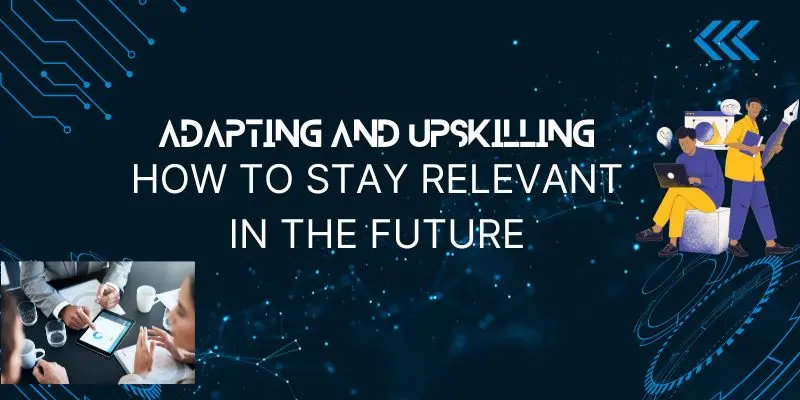
Next, take online courses to build your expertise. Platforms like Coursera, Udemy, and Skillshare offer affordable classes on everything from digital marketing to AI automation. Even one course can make a big difference in your career.
Also, follow industry updates and trends. Read blogs, watch tutorials, and join freelancer communities where people share the latest insights. Staying informed helps you spot new opportunities before others do.
Finally, focus on personal growth — improve time management, communication, and client handling. These soft skills, combined with technical knowledge, make you a complete professional.
Freelancers who continually learn will always remain relevant, competitive, and prepared for whatever the future holds.
10. Predictions for 2030: What the Next Decade Holds for The Future of Freelancing
The next decade will completely redefine the freelance industry. By 2030, expect the emergence of AI-powered freelance marketplaces that automatically match projects with the most suitable talent based on skill, reputation, and past performance. These platforms will use smart algorithms to negotiate pay, ensure fair contracts, and even provide instant payouts.
Blockchain-based contracts will replace traditional agreements, guaranteeing transparency, faster payments, and reduced disputes. Freelancers will own their digital identities and portfolios securely on the blockchain — a major shift toward independence and trust.
Meanwhile, hybrid work models will blur the line between employment and freelancing. Companies may hire talent on demand for specific projects, rather than full-time roles, while freelancers can enjoy flexible access to corporate benefits, such as healthcare and paid time off.
By 2030, freelancing won’t just be a career option — it will be a cornerstone of the global economy, driven by technology, freedom, and creativity.
Conclusion
The future of freelancing is only getting stronger. From AI-powered platforms to global digital nomad policies, The Future of Freelancing is creating endless opportunities for independent professionals worldwide. Success will belong to those who adapt — mastering new tools, embracing soft skills, and connecting within thriving freelancer communities. As technology continues to evolve, one thing is clear: The Future of Freelancing isn’t just about working independently anymore — it’s about shaping the future of work itself.
FAQs
Freelancing is becoming a major part of the global economy. With AI tools, remote collaboration, and global platforms, more people are choosing freelance work as their main career. It offers flexibility, independence, and access to worldwide clients. The future is bright for those who adapt and keep learning.
AI will not fully replace freelancers, but it will change how they work. Simple tasks like editing or data entry may be automated, while creative and strategic jobs will still need human talent. Freelancers who learn to use AI for productivity will have a strong advantage.
Freelancers can attract global clients through platforms like Upwork, Fiverr, and Toptal. A professional portfolio, strong communication skills, and clear pricing help build trust. Joining online communities and networking on LinkedIn also increases visibility to international clients.
Skills in AI, data analysis, UX design, cybersecurity, and digital marketing will lead the market. However, soft skills like creativity, problem-solving, and adaptability will remain equally valuable. Combining both technical and soft skills will make freelancers stand out.
Many countries are introducing freelancer-friendly policies like digital nomad visas, tax incentives, and fair payment laws. These help protect freelancers’ rights and make global work easier. Legal recognition of freelancing as a profession is also growing rapidly.
Continuous learning is key. Freelancers should take online courses, upgrade their digital tools, and keep up with new industry trends. Networking, building a personal brand, and improving client relationships also help maintain long-term success.
Freelancer communities offer support, job leads, and learning opportunities. They help members share advice, collaborate on projects, and stay updated on trends. These communities also reduce isolation and create a sense of belonging for independent workers.
Yes — freelancing can be stable with proper planning. Building long-term client relationships, managing finances wisely, and diversifying income streams make earnings consistent. Over time, experienced freelancers often earn more than traditional employees.
Clear communication, reliability, and delivering quality work on time are key. Being responsive and open to feedback builds trust and repeat business. Happy clients often return and recommend your services to others, helping you grow faster.
By 2030, freelancing will be more connected and technology-driven. AI-powered platforms, blockchain contracts, and hybrid work models will dominate. Freelancers will have more freedom, better protection, and endless global opportunities than ever before.




- Be Respectful
- Stay Relevant
- Stay Positive
- True Feedback
- Encourage Discussion
- Avoid Spamming
- No Fake News
- Don't Copy-Paste
- No Personal Attacks
- Be Respectful
- Stay Relevant
- Stay Positive
- True Feedback
- Encourage Discussion
- Avoid Spamming
- No Fake News
- Don't Copy-Paste
- No Personal Attacks
